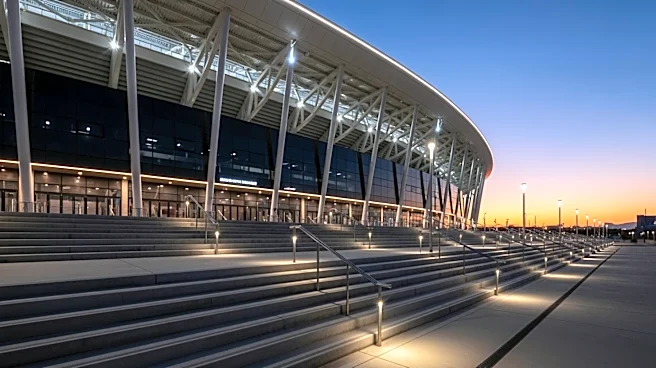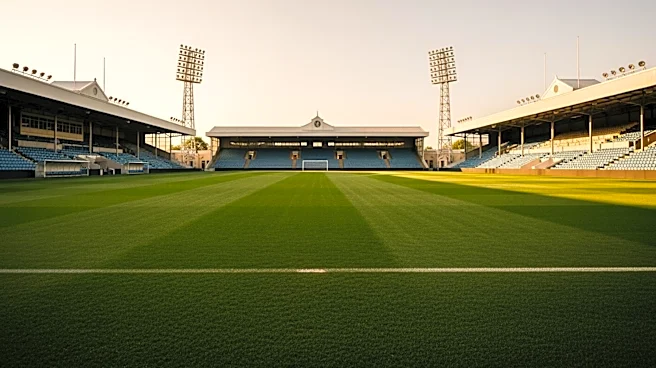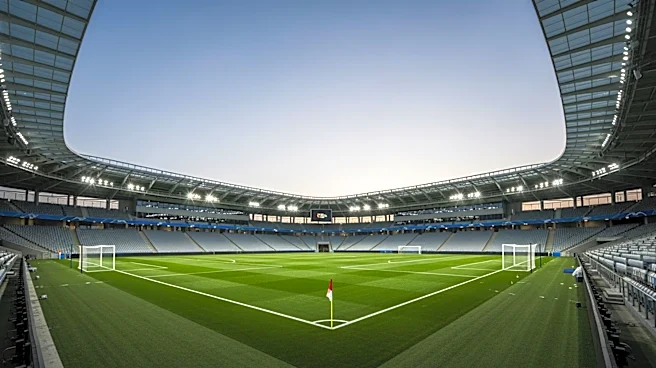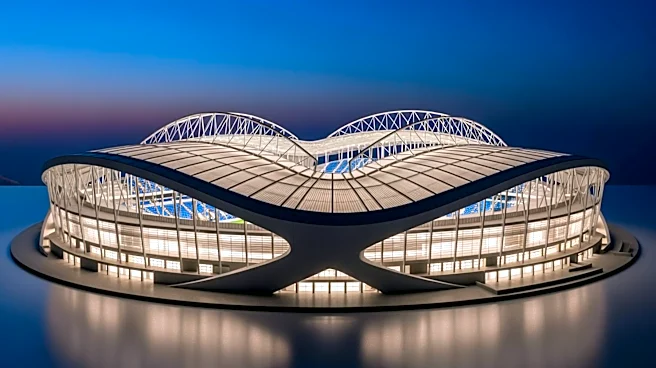

Stade de la Beaujoire stands as a testament to innovative architectural design and community engagement in Nantes, France. Known for its unique hexagonal shape, the stadium has become an iconic landmark
in the city. This article delves into the architectural features of Stade de la Beaujoire and its significance to the local community.
Architectural Design and Features
Designed by architect Berdje Agopyan, Stade de la Beaujoire was constructed with a focus on functionality and aesthetics. The hexagonal shape of the stadium was chosen to optimize visibility and access for spectators. The design incorporates a steel frame weighing 2,000 tons, supported by 262 piles, ensuring stability and durability.
The stadium's construction involved significant groundwork, including the use of 150,000 tons of materials for the foundation. The seating arrangement was carefully planned to provide unobstructed views of the field, enhancing the spectator experience. The stadium's design also includes features to protect against wind, a common issue due to its open structure.
Community Engagement and Cultural Impact
Since its opening in 1984, Stade de la Beaujoire has been more than just a sports venue; it has become a cultural hub for the community. The stadium hosts a variety of events, from football matches to music concerts, attracting visitors from across the region. Its presence has contributed to the local economy, boosting tourism and providing employment opportunities.
The stadium's role in the community extends beyond sports. It serves as a gathering place for cultural events and celebrations, fostering a sense of unity and pride among residents. The decision to name the stadium after Louis Fonteneau, a key figure in its development, reflects its deep connection to the city's history and identity.
Future Prospects and Legacy
While plans for a new stadium, YelloPark, were proposed, they were ultimately canceled, leaving Stade de la Beaujoire as the primary venue for FC Nantes and other events. The stadium's continued use highlights its enduring value to the community and its role in promoting sports and culture.
As Nantes looks to the future, Stade de la Beaujoire remains a symbol of the city's commitment to innovation and community engagement. Its architectural design and cultural significance ensure that it will continue to be a cherished landmark for generations to come. The stadium's legacy as an architectural marvel and community icon is a testament to the vision and dedication of those who brought it to life.