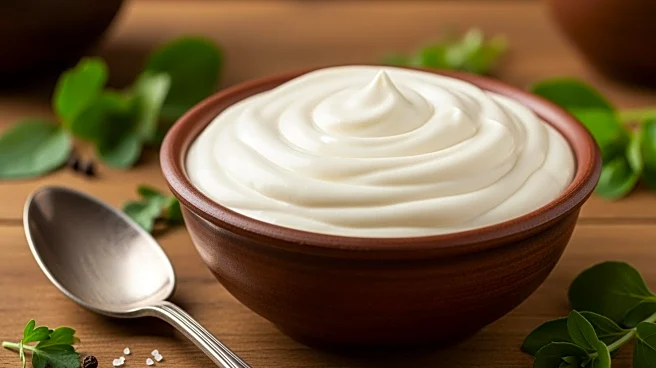




Crème fraîche is not just a culinary ingredient; it holds cultural and regional significance, particularly in France and other parts of Europe. This article explores the cultural roots and regional variations of crème fraîche, highlighting its importance in European cuisine and beyond.
French Origins and Regional Variations
Crème fraîche has its origins in France, where it is a staple in many traditional dishes. The product is particularly famous in Normandy, a region known for its high-quality
dairy products. The crème fraîche from Isigny-sur-Mer in Normandy is highly regarded and is the only cream to have an appellation d'origine contrôlée (AOC), a designation that recognizes its quality and regional authenticity.
In France, crème fraîche is produced in several regions, including Brittany, Poitou-Charentes, Lorraine, and Champagne-Ardenne. Each region may have slight variations in the production process, but the core ingredients remain the same: cream and bacterial culture. This consistency ensures that crème fraîche maintains its distinct taste and texture, regardless of its regional origin.
European and Global Influence
Beyond France, similar soured creams are found throughout northern Europe. In Central America, a traditional soured cream known as crema fresca resembles crème fraîche. These regional variations highlight the widespread appeal and adaptability of crème fraîche across different cultures.
In Eastern Europe and Russia, a similar product called Smetana is popular. In Romania and Moldova, it is known as smântână. These products share some characteristics with crème fraîche but may differ in fat content and flavor profile. The global presence of similar products underscores the universal appeal of soured cream in various culinary traditions.
Culinary and Cultural Impact
Crème fraîche's cultural significance extends beyond its regional origins. It is a key ingredient in French cuisine, used in both savory and sweet dishes. Its ability to enhance flavors and provide a creamy texture without curdling makes it a versatile addition to many recipes.
The cultural impact of crème fraîche is also evident in its use in traditional dishes and its role in modern culinary innovations. Chefs around the world appreciate its unique properties and incorporate it into a wide range of dishes, from classic French sauces to contemporary desserts.
In conclusion, crème fraîche is more than just a dairy product; it is a cultural icon with deep roots in European cuisine. Its regional variations and global influence reflect its enduring popularity and versatility in the culinary world.