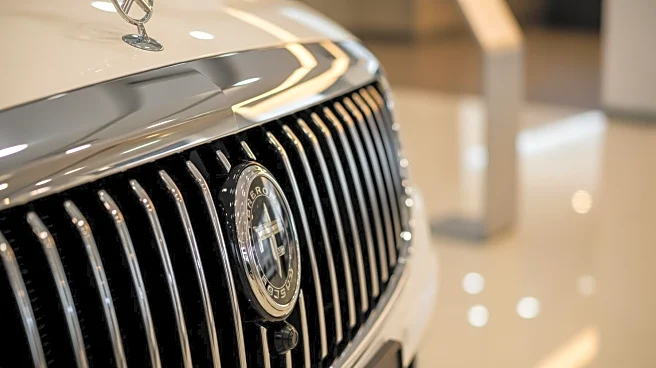



Maybach has long been associated with luxury and prestige, but its journey in the automotive market has been marked by both triumphs and challenges. As a brand that once rivaled the likes of Rolls-Royce and Bentley, Maybach's influence on the luxury car market is undeniable. This article explores Maybach's impact, its competition, and the factors that led to its struggles in the ultra-luxury segment.
Competing with Established Luxury Brands
When Maybach was reintroduced as a standalone brand
in 2002, it aimed to compete directly with established luxury car manufacturers like Rolls-Royce and Bentley. The Maybach 57 and 62 models were developed to challenge the Rolls-Royce Phantom, offering even more opulence and a higher price bracket. Despite its ambitious goals, Maybach faced significant competition from these well-established brands.
Rolls-Royce and Bentley had long enjoyed worldwide renown, with their vehicles symbolizing exclusivity and heritage. Maybach, on the other hand, struggled to differentiate itself from its parent brand, Mercedes-Benz. While Rolls-Royce and Bentley were assembled in separate facilities, Maybachs were built alongside the Mercedes-Benz S-Class, which affected their perceived exclusivity.
Challenges and Market Struggles
Maybach's challenges in the luxury market were compounded by the 2008 financial crisis, which led to a complete review of the brand by Daimler AG. Despite efforts to promote the Maybach line with brand ambassadors like golfer Nick Faldo, sales remained sluggish. In 2010, only 157 Maybachs were sold worldwide, compared to 2,711 similarly priced Rolls-Royces.
One of the key issues was Maybach's failure to establish a distinct identity separate from Mercedes-Benz. The brand's pedigree was virtually unknown outside of Germany, unlike its British rivals. Additionally, the first Maybach models were criticized for their poor driving dynamics compared to contemporaries from Rolls-Royce and Bentley. These factors contributed to Maybach's struggles in the ultra-luxury segment.
Revival and Future Prospects
In 2011, Daimler announced that Maybach would cease to be a standalone brand by 2013, making room for other models of the Mercedes-Benz S-Class. However, the Maybach name was revived in 2014 as a sub-brand of Mercedes-Benz, producing ultra-luxury editions of the S-Class and other models. This strategic move aimed to leverage the Mercedes-Benz brand's strength while maintaining Maybach's luxury appeal.
Today, Maybach continues to produce high-end vehicles that cater to the luxury market, with a focus on comfort and performance. While the brand's journey has been fraught with challenges, its revival as a sub-brand of Mercedes-Benz offers promising prospects for the future. Maybach's impact on the luxury automotive market remains significant, as it continues to evolve and adapt to changing consumer preferences.