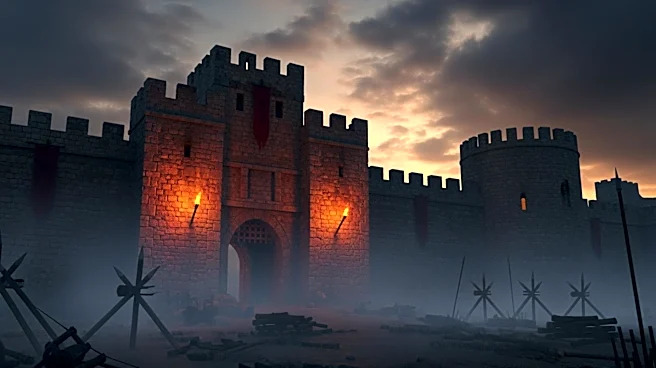







The Battle of York in 867 was a pivotal event in the Viking invasions of England, showcasing the military strategies and siege tactics that defined this era. The Vikings, led by the formidable Great Heathen Army, faced off against the Anglo-Saxon Kingdom of Northumbria in a battle that would determine the fate of the region.
The Strategic Importance of York
York, known as Eoferwic, was a city of strategic importance, serving as the capital of Northumbria. Its location made it a valuable
target for the Vikings, who sought to expand their influence across England. The city’s defenses, remnants of Roman fortifications, were in a state of disrepair by 867, making it vulnerable to attack.
The internal conflict within Northumbria, with Ælla and Osberht both claiming the throne, further weakened the kingdom’s ability to defend itself. This civil war provided the Vikings with an opportunity to strike, and they seized York in November 866, setting the stage for the decisive battle that would follow.
The Siege and Battle Tactics
In the spring of 867, Ælla and Osberht united their forces in an attempt to reclaim York from the Vikings. The Northumbrians managed to breach the city’s defenses, but the narrow streets of York worked to the Vikings’ advantage. The Vikings, experienced in close-quarters combat, used the urban environment to nullify the Northumbrians’ numerical superiority.
The battle was marked by intense fighting, with both sides vying for control of the city. Despite the Northumbrians’ initial success, the Vikings’ superior tactics and combat skills ultimately led to their victory. The deaths of both Ælla and Osberht during the battle left Northumbria leaderless and paved the way for Viking dominance in the region.
The Aftermath of the Siege
Following their victory, the Vikings solidified their control over York by installing a puppet king, Ecgberht. This move was a strategic decision that allowed them to maintain influence over the region while focusing on further conquests. The establishment of the Kingdom of Jórvík, centered on York, marked the beginning of a new era of Viking rule in England.
The Battle of York in 867 was a testament to the Vikings’ strategic acumen and military prowess. Their ability to adapt to the urban environment and exploit the weaknesses of their enemies ensured their victory and set the stage for further expansion across England.