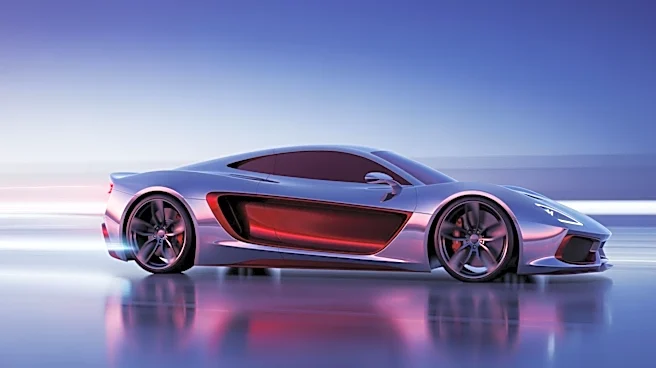






Sports car racing has a rich history that spans over a century, evolving from simple road races to complex, high-stakes competitions. This form of motorsport involves cars with two seats and enclosed wheels, often competing in endurance races that test the limits of reliability and driver skill. From its early days to the present, sports car racing has seen significant changes in technology, regulations, and global reach.
Early Beginnings
The roots of sports car racing
can be traced back to the early 20th century. Initially, there was little distinction between sports cars and Grand Prix machines. Both types of vehicles were used interchangeably in races, with sports cars often being modified versions of road-going models. The first 24 Hours of Le Mans race in 1923 is often cited as a pivotal moment in the history of sports car racing, marking the beginning of endurance racing as a distinct discipline.
During the 1920s and 1930s, sports car racing began to take shape as a separate category. Cars like the Bugatti Type 35 and Alfa Romeo Tipo A Monoposto started to differentiate themselves from Grand Prix cars, focusing more on endurance and reliability. This period also saw the emergence of iconic races such as the Mille Miglia and the Targa Florio, which further popularized the sport.
Post-War Revival
After World War II, sports car racing experienced a resurgence. The 1950s and 1960s are often considered the golden age of sports car racing, with manufacturers like Ferrari, Maserati, and Jaguar investing heavily in the sport. This era saw the introduction of dedicated sports racing cars, such as the Jaguar C and D types and the Ferrari Testa Rossa, which were designed specifically for competition.
The post-war period also saw the establishment of the FIA World Sportscar Championship in 1953, which helped to standardize rules and increase international competition. However, major accidents in the late 1950s led to stricter regulations, including engine capacity limits, which shaped the future of the sport.
Modern Developments
In recent decades, sports car racing has continued to evolve, with technological advancements playing a significant role. The introduction of prototypes and the development of GT cars have expanded the scope of the sport. Today, series like the FIA World Endurance Championship and the IMSA SportsCar Championship attract top manufacturers and drivers from around the world.
The sport has also embraced new technologies, such as hybrid powertrains and advanced aerodynamics, to improve performance and sustainability. Despite these changes, the core appeal of sports car racing—its emphasis on endurance, teamwork, and engineering excellence—remains unchanged, continuing to captivate fans and participants alike.