






Hemp, a fast-growing plant from the Cannabis sativa family, is gaining recognition for its role in sustainable building practices. Known for its versatility and environmental benefits, hemp is used in various construction materials, offering solutions to modern building challenges. This article explores hemp's contributions to sustainable construction, highlighting its properties and applications.
Hempcrete and Insulation
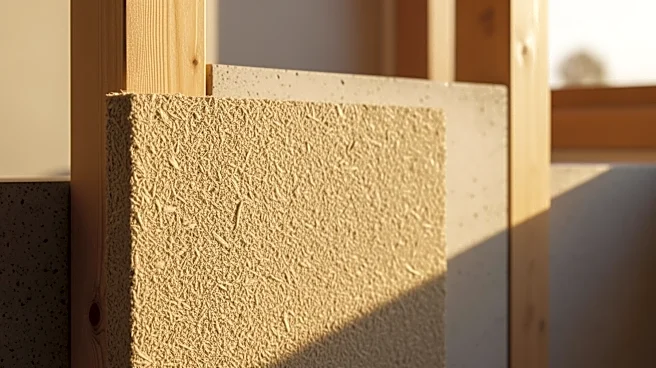
Hempcrete, a mixture of hemp hurds, lime, and water,
is a popular building material due to its lightweight and vapor-permeable properties. Although not a load-bearing material, hempcrete is used as infill in construction, providing insulation and thermal balance. Its ability to absorb and release moisture without deteriorating makes it ideal for walls, roofs, and other structural elements.
Hemp insulation is another application of hemp in construction. Its flexibility and toughness during compression allow for easy implementation within structural framing systems. Hemp insulation is lightweight and non-toxic, making it suitable for exposed installation in various spaces, including flooring, walling, and roofing. Its porous materiality allows for air and moisture penetration, enhancing indoor air quality.
Environmental Benefits of Hemp in Construction
Hemp is classified under the green category of building design due to its positive environmental impact. It suppresses weed growth, prevents erosion, and has reclamation properties, making it a valuable resource in sustainable agriculture. Hemp's ability to absorb large amounts of CO2 contributes to air quality and thermal balance, creating a positive environmental impact.
The use of hemp in construction is gaining popularity alongside other natural materials. Hemp processing is done mechanically with minimal harmful effects on the environment. Its minimal water usage and non-reliance on pesticides for growth make hemp a sustainable choice for building materials. As industries seek eco-friendly alternatives, hemp's properties position it as a promising resource for sustainable construction.
Challenges and Future Prospects
Despite its benefits, hemp construction materials face challenges such as higher costs compared to traditional building materials. The initial investment in hemp-based construction can be higher, but the long-term savings in energy consumption and maintenance make it a viable option for sustainable building practices.
Research and development in hemp construction continue to evolve, with institutions like the University of Bath exploring hemp-lime panel systems for high-quality construction. As hemp gains recognition in the building industry, its potential for reducing environmental impact and promoting sustainability positions it as a key player in the future of construction.