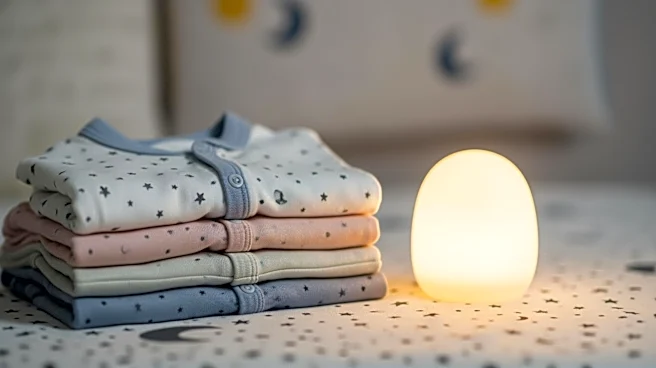









Children's sleepwear is subject to stringent safety regulations in the United States to ensure the well-being of young wearers. These regulations focus primarily on flammability and chemical safety, reflecting a commitment to protecting children from potential hazards. This article explores the key safety standards and regulations that govern children's sleepwear.
Flammability Standards
One of the primary concerns in children's sleepwear is flammability. The Flammable Fabrics
Act (FFA) sets the standards for the flammability of children's sleepwear in the U.S. According to these standards, all children's sleepwear and loungewear sold in the country must comply with specific flammability requirements. These regulations are designed to prevent garments from easily catching fire, thereby reducing the risk of burn injuries.
The standards apply to sleepwear in sizes 0 to 14 and include items such as nightgowns, pajamas, and robes. However, there are exceptions for certain garments, such as diapers, underwear, and tight-fitting sleepwear that meet specific maximum dimensions. These exceptions are based on the reduced risk of fire associated with these types of clothing.
Chemical Safety and Compliance
In addition to flammability, children's sleepwear must also comply with chemical safety regulations. The Consumer Product Safety Improvement Act of 2008 (CPSIA) outlines requirements for lead content, surface coatings, and phthalates in children's products, including sleepwear. Manufacturers must ensure that their products meet these standards to prevent exposure to harmful chemicals.
The CPSIA also mandates the use of tracking labels and certificates of compliance for children's sleepwear. These measures help ensure that products can be traced back to their source, facilitating recalls and accountability in the event of safety issues. Compliance with these regulations is crucial for manufacturers, distributors, and retailers to maintain consumer trust and avoid legal repercussions.
The Importance of Safety Regulations
The rigorous safety standards for children's sleepwear reflect a broader commitment to child safety in the U.S. These regulations are designed to protect children from potential hazards associated with sleepwear, such as fire and chemical exposure. By adhering to these standards, manufacturers can provide parents with peace of mind, knowing that their children's sleepwear is safe.
As safety concerns and scientific understanding evolve, regulations may continue to adapt to ensure the highest level of protection for children. The ongoing commitment to safety in children's sleepwear underscores the importance of vigilance and responsibility in the production and sale of these garments.