


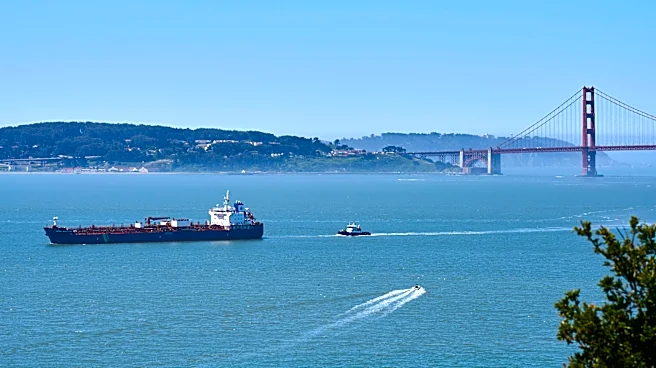


Alcatraz Island, located in San Francisco Bay, California, has a rich and varied history that spans over a century. Known for its infamous federal prison, the island has served multiple purposes, including a lighthouse, military fort, and now a national park. This article delves into the historical timeline of Alcatraz Island, highlighting its transformation through different eras.
Early Beginnings as a Lighthouse
Alcatraz Island's history began in 1854 when it was first used as a lighthouse.
As the first lighthouse on the U.S. West Coast, it played a crucial role in guiding ships safely through the treacherous waters of San Francisco Bay. The lighthouse was initially equipped with Argand lamps and parabolic reflectors, but these were later replaced by Fresnel lenses, which offered better performance despite their higher cost.
The original lighthouse was damaged during the 1906 San Francisco earthquake, leading to the construction of a taller concrete tower in 1909. This new lighthouse was built to accommodate the growing needs of the island, especially as the cell house of Alcatraz was constructed between 1909 and 1912.
Transition to a Military Fort and Federal Prison
Following its initial use as a lighthouse, Alcatraz Island was transformed into a military fort. The strategic location of the island made it an ideal site for defense purposes. However, its most notorious phase began when it was converted into a federal prison in 1934. The prison housed some of the most infamous criminals in American history, including Al Capone.
The prison operated until 1963, when it was closed due to high operational costs and deteriorating facilities. During its time as a prison, Alcatraz became synonymous with escape attempts and harsh living conditions, contributing to its legendary status.
Modern Era: National Park and Tourist Attraction
After the closure of the prison, Alcatraz Island was declared surplus federal property. In 1972, it became part of the Golden Gate National Recreation Area, marking its transition into a national park. Today, Alcatraz Island attracts millions of visitors annually, offering tours that explore its historical significance and infamous past.
The island's lighthouse, automated in 1963, remains a key feature and is part of the museum on the island. Despite its tumultuous history, Alcatraz Island stands as a symbol of resilience and transformation, reflecting the diverse roles it has played over the years.