




Ray-Ban is a name synonymous with classic and stylish eyewear. Since its inception in 1936, the brand has been at the forefront of sunglasses design, creating some of the most iconic models in the industry. This article explores the history and impact of Ray-Ban's most famous sunglasses, including the Aviator and Wayfarer models, and their influence on fashion and culture.
The Birth of Ray-Ban Aviators
Ray-Ban's journey began with the development of the Aviator sunglasses, designed
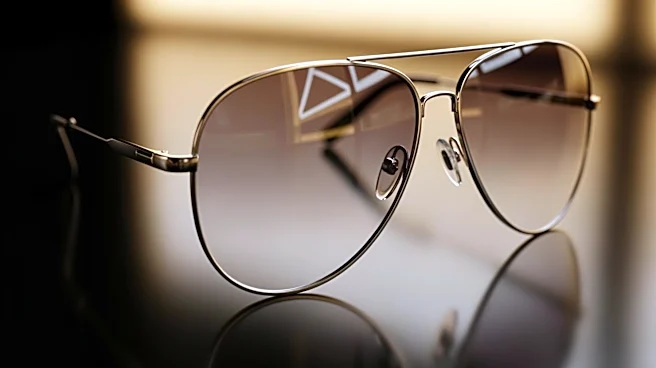
by Bausch & Lomb in collaboration with Colonel John A. Macready. The goal was to create sunglasses that would reduce the distraction for pilots caused by the intense blue and white hues of the sky. The result was the "Anti-Glare" prototype, featuring plastic frames and green lenses, which was later redesigned with a metal frame and marketed as Ray-Ban Aviators.
The Aviator sunglasses gained widespread popularity during World War II when General Douglas MacArthur was photographed wearing them. This image became iconic, and the sunglasses were soon associated with a sense of heroism and style. Over the years, Aviators have been worn by numerous celebrities and public figures, solidifying their status as a fashion staple.
The Rise of the Wayfarer
In 1952, Ray-Ban introduced another groundbreaking design: the Wayfarer. Created by optical designer Raymond Stegeman, the Wayfarer featured a distinctive trapezoidal frame made from a new plastic molding technology. This design quickly became popular among musicians and film icons, including Buddy Holly, Roy Orbison, and James Dean.
Despite a decline in popularity during the 1970s, the Wayfarer experienced a resurgence in the 1980s, thanks to strategic product placements in movies and television shows. Tom Cruise's appearance in "Risky Business" wearing Wayfarers was a pivotal moment, leading to a significant increase in sales. The Wayfarer has since become a symbol of cool, effortlessly blending style with functionality.
Continuing Influence and Innovation
Ray-Ban's influence extends beyond the Aviator and Wayfarer models. The brand has continued to innovate, introducing new styles and technologies to meet the evolving needs of consumers. In recent years, Ray-Ban has ventured into smart glasses, collaborating with Facebook Reality Labs to create Ray-Ban Stories, which feature built-in cameras and Bluetooth earphones.
The legacy of Ray-Ban is a testament to its ability to adapt and remain relevant in the ever-changing world of fashion. By combining timeless design with modern innovation, Ray-Ban has secured its place as a leader in the eyewear industry, inspiring generations of consumers to embrace their unique style.