

Dolly Parton's song "9 to 5" is more than just a catchy tune; it has become a cultural anthem for working women and a symbol of the fight for workplace equality. Released in 1980 as the theme for the film of the same name, the song quickly resonated with audiences, topping both country and pop charts. Its influence extends beyond music, touching on social issues and inspiring adaptations in various media.
A Song for the Working Class
"9 to 5" was written for the comedy film starring
Jane Fonda, Lily Tomlin, and Dolly Parton herself. The film and the song share a common theme: the struggles and aspirations of working women. The song's lyrics capture the daily grind and frustrations faced by office workers, particularly women, who often dealt with unfair treatment and limited opportunities. This theme struck a chord with many, turning the song into an anthem for those seeking better working conditions and equal pay.
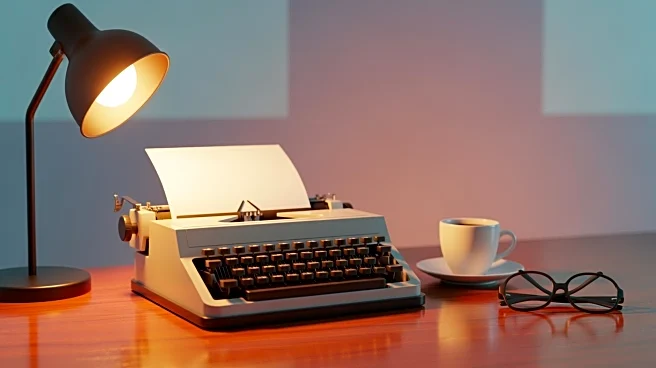
Parton's clever use of her acrylic fingernails to mimic the sound of a typewriter added a unique element to the song, further emphasizing the office setting. This creative touch, combined with the song's relatable message, helped it gain widespread popularity and critical acclaim.
From Screen to Stage
The success of "9 to 5" extended beyond the film and music charts. It inspired a television series that aired in the 1980s, with Parton's younger sister, Rachel Dennison, taking on her role. The series continued to explore the themes of workplace dynamics and gender equality, keeping the spirit of the original film and song alive.
In 2009, "9 to 5" was adapted into a Broadway musical, featuring new songs written by Parton. The stage adaptation brought the story to a new audience, highlighting the ongoing relevance of its themes. The musical's success demonstrated the enduring appeal of "9 to 5" and its ability to resonate with audiences across different generations.
A Lasting Legacy
The impact of "9 to 5" is evident in its continued presence in popular culture. The song has been used in various films and television shows, often as a symbol of empowerment and resilience. It has also been embraced by political figures, such as U.S. Senator Elizabeth Warren, who used it during her 2020 presidential campaign.
Dolly Parton's "9 to 5" remains a powerful reminder of the challenges faced by working women and the ongoing fight for equality in the workplace. Its cultural significance and ability to inspire change make it a timeless piece of music history.