



Chili peppers, with their vibrant colors and spicy heat, are a beloved ingredient in many cuisines worldwide. These fruits, botanically classified as berries, are cultivated for their pungency and come in a wide range of varieties. This article explores the cultivation practices of chili peppers and the diverse types that have emerged from different regions.
Cultivation Practices
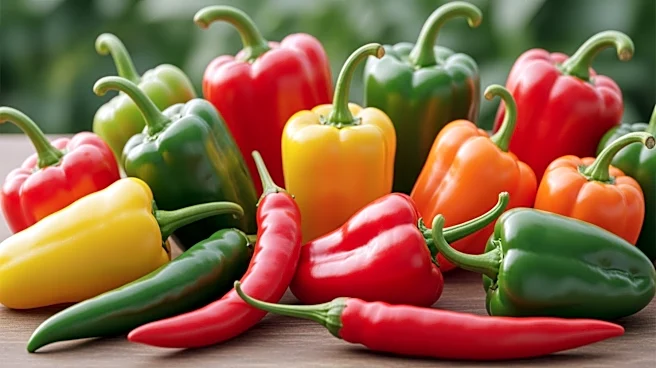
Chili peppers are the shiny, brightly colored fruits of species within the Capsicum genus.
The plants are relatively small, ranging from 20 to 60 centimeters in height, depending on the variety. This makes them suitable for growing in pots, greenhouses, or commercially in polytunnels. Chili pepper plants are perennial, provided they are protected from cold temperatures.
The fruits of chili peppers can be green, orange, red, or purple, and vary in shape from round and knobbly to smooth and elongated. If the fruits are picked green and unripe, more flowers develop, yielding additional fruit. However, fruits left on the plant can become hotter in taste and acquire their ripe coloration, albeit at the cost of a reduced harvest. Ideal growing conditions for chili peppers include a sunny position with warm, loamy soil that is moist but not waterlogged.
Varieties of Chili Peppers
The Capsicum genus includes several species that produce chili peppers, each with its own unique characteristics. The five widely cultivated species are Capsicum annuum, Capsicum baccatum, Capsicum chinense, Capsicum frutescens, and Capsicum pubescens. Each species offers a variety of cultivars, contributing to the rich diversity of chili peppers available today.
Capsicum annuum includes popular varieties such as jalapeños and bell peppers, while Capsicum chinense is known for its intensely hot cultivars like the Carolina Reaper and Trinidad Moruga Scorpion. Capsicum frutescens includes the well-known Tabasco pepper, and Capsicum baccatum features varieties like the Ají pepper. Capsicum pubescens, with its distinctive hairy leaves, includes the Rocoto pepper.
The Role of Capsaicin
Capsaicin and related capsaicinoids are the compounds responsible for the spicy heat of chili peppers. These substances bind with pain receptors in the mouth and throat, evoking a sensation of heat and discomfort. The intensity of chili peppers is commonly measured in Scoville heat units (SHU), a scale invented by American pharmacist Wilbur Scoville in 1912.
Capsaicin production in chili peppers serves as a defense mechanism against mammalian predators. Interestingly, birds are unable to perceive the hotness of capsaicin, allowing them to consume some of the hottest peppers without discomfort. This unique characteristic aids in the natural dispersal of chili pepper seeds, contributing to their widespread cultivation.