




Blenders are essential tools in both home and professional kitchens, but not all blenders are created equal. Two popular types are immersion blenders and countertop blenders, each with its own set of features and benefits. Understanding the differences between these two types of blenders can help you choose the right one for your culinary needs. This article provides a detailed comparison of immersion blenders and traditional countertop blenders.
Design and Functionality
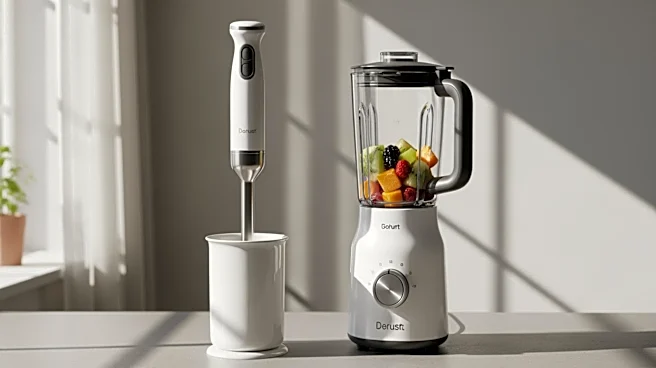
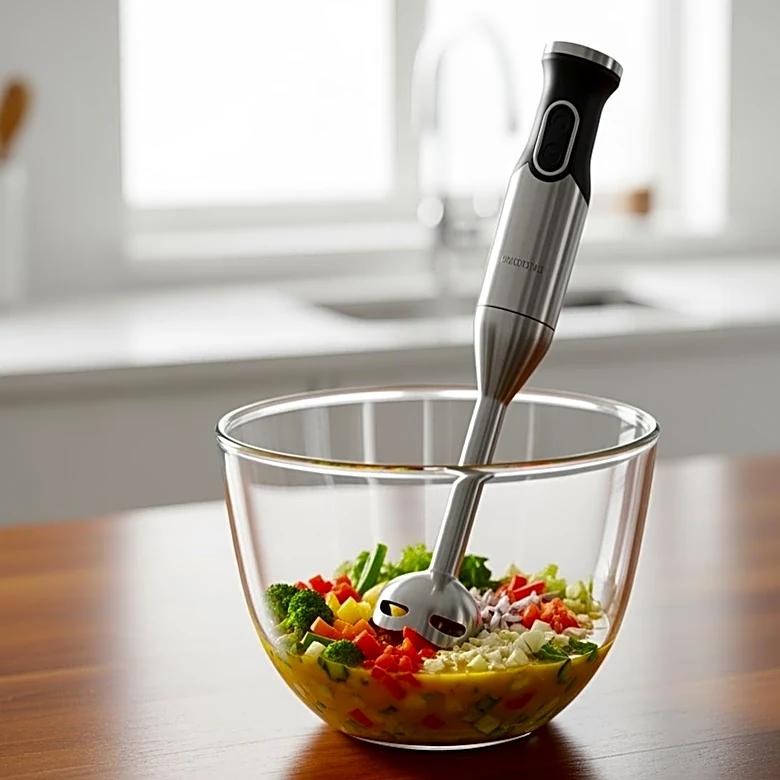
Immersion blenders, also known as stick or hand blenders, are handheld devices with a motor on top and a rotating blade at the bottom. They are designed to be immersed directly into the container holding the ingredients, allowing for blending without the need to transfer contents to a separate vessel. This design makes them particularly useful for blending soups, sauces, and other liquids directly in the pot or bowl.
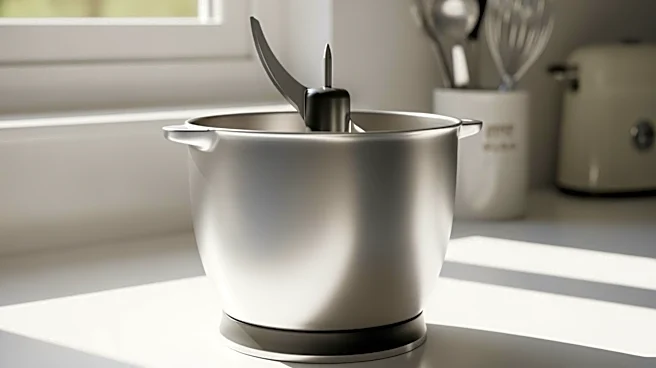
In contrast, countertop blenders consist of a motorized base and a separate blending container with blades at the bottom. The container is typically made of glass, plastic, or stainless steel and is placed on the base for operation. Countertop blenders are more powerful than immersion blenders and are capable of handling tougher tasks, such as crushing ice and blending thick mixtures.
Versatility and Convenience
When it comes to versatility, immersion blenders offer the advantage of being able to blend in any container, from pots and pans to mixing bowls and pitchers. This flexibility allows for quick and easy blending without the need for additional equipment. Immersion blenders are also lightweight and easy to store, making them a convenient option for kitchens with limited space.
Countertop blenders, on the other hand, are more versatile in terms of power and functionality. They often come with multiple speed settings and can handle a wider range of tasks, from making smoothies and milkshakes to grinding grains and nuts. However, they require more counter space and can be more challenging to clean, especially if the blades are not removable.
Considerations for Use
When deciding between an immersion blender and a countertop blender, consider the types of tasks you will be performing most frequently. If you primarily need a blender for soups, sauces, and other liquid-based recipes, an immersion blender may be the more practical choice. Its ability to blend directly in the cooking vessel can save time and reduce cleanup.
For tasks that require more power, such as crushing ice or blending thick mixtures, a countertop blender is likely the better option. Its robust motor and larger capacity make it well-suited for these types of applications. Additionally, if you frequently prepare large batches of food, the larger container of a countertop blender may be more efficient.
In summary, both immersion blenders and countertop blenders have their own unique advantages. By understanding the differences in design, functionality, and versatility, you can make an informed decision about which type of blender best suits your culinary needs.