

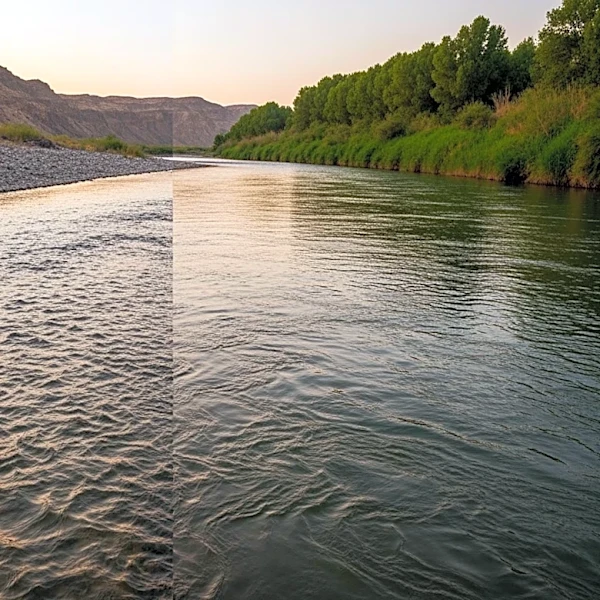




The Rio Grande, a vital water source for both the United States and Mexico, has faced significant challenges due to drought conditions. These droughts have affected water availability, agricultural productivity, and the overall management of the river's resources. This article examines the impact of drought on the Rio Grande and the measures taken to address these challenges.
Drought and Water Scarcity
Drought conditions have been a recurring issue for the Rio Grande, particularly
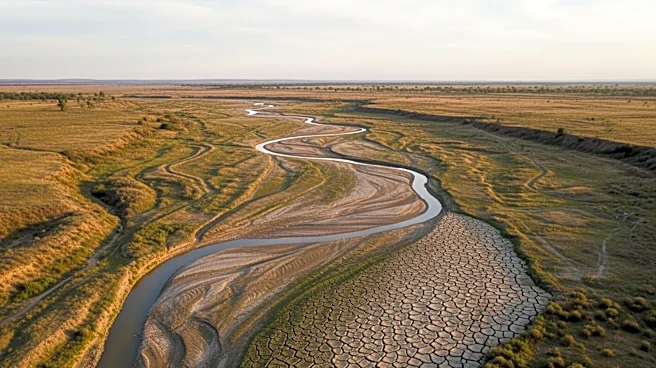
in the 21st century. These conditions have led to reduced water flow, affecting the river's ability to meet the demands of agriculture, urban areas, and the environment. The Rio Grande's water is over-appropriated, meaning that more users exist than the available water can support. This overuse, combined with drought, has led to sections of the river running dry, particularly downstream from Las Cruces.
The impact of drought on the Rio Grande has been severe, with significant consequences for the local ecosystem. Species such as cottonwood trees and the southwestern willow flycatcher have been endangered due to the lack of water. Additionally, the river's reduced flow has affected agricultural productivity, as farmers struggle to irrigate their crops with limited water resources.
Water Management Challenges
Managing the Rio Grande's water resources during drought conditions has been a complex task. The 1944 treaty between the United States and Mexico, which governs water allocation, has faced calls for reexamination due to the ongoing drought. Texas, in particular, has experienced under-provision of water, leading to tensions between the states and countries involved.
The International Boundary and Water Commission (IBWC) plays a crucial role in managing the river's resources, but it has faced criticism for its handling of drought-related challenges. The commission has been tasked with ensuring equitable water distribution, but the persistent drought has made this increasingly difficult. Efforts to address these challenges have included subsidizing farmers to fallow their fields and switching to groundwater pumping in urban areas.
Future Outlook
The future of the Rio Grande's water resources remains uncertain, as climate change and increasing demand continue to strain the river. The IBWC and other stakeholders must work together to develop sustainable water management strategies that address the challenges posed by drought. This may include revisiting existing treaties, investing in water conservation technologies, and promoting cooperation between the United States and Mexico.
Ultimately, the ability to adapt to changing conditions and implement effective water management practices will be crucial in ensuring the long-term sustainability of the Rio Grande and its resources.