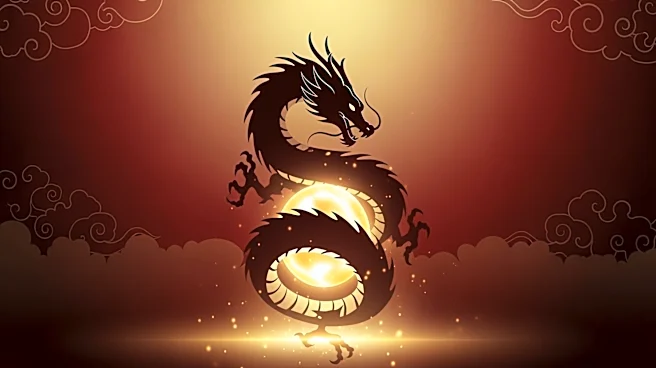




The Dragon is one of the most revered symbols in the Chinese zodiac, representing power, strength, and good fortune. As the fifth animal in the 12-year cycle, the Dragon holds a unique place in Chinese culture and astrology. This article delves into the cultural significance of the Dragon, its symbolic meanings, and its impact on those born under its sign.
Cultural Significance of the Dragon
In Chinese culture, the Dragon is not just a mythical creature but a symbol of imperial power
and authority. Unlike Western depictions of dragons as fearsome beasts, the Chinese Dragon is seen as a benevolent and auspicious creature. It is often associated with the emperor, who was considered the 'Son of Heaven' and the ultimate embodiment of the Dragon's power. This association with royalty and divinity has made the Dragon a symbol of strength and good fortune.
The Dragon's influence extends beyond China, as it is also a significant figure in other East Asian cultures. In countries like Thailand, Cambodia, and Laos, the Dragon is replaced by the nāga, a serpent-like creature that shares similar symbolic meanings. This cross-cultural presence highlights the Dragon's enduring appeal and its role as a universal symbol of power and protection.
Symbolism and Characteristics of the Dragon
People born in the Year of the Dragon are believed to inherit the creature's powerful traits. They are often seen as ambitious, confident, and charismatic individuals who are destined for success. The Dragon's association with the element of Wood further enhances these characteristics, as Wood is linked to growth, vitality, and creativity.
The Dragon's symbolic meanings are also reflected in its compatibility with other zodiac signs. It is said to have the best matches with the Rooster and Rat, forming a harmonious trine group. This compatibility is based on the idea that the Dragon, Rooster, and Rat share complementary qualities that balance each other out. Conversely, the Dragon is considered to be in opposition to the Dog, as their personalities and values often clash.
The Dragon's Influence on Birth Rates
The Year of the Dragon is considered one of the most auspicious times to be born, leading to spikes in birth rates in countries that follow the Chinese zodiac. Parents often plan to have children during this year, hoping that their offspring will inherit the Dragon's favorable traits. This phenomenon has even led to hospital capacity issues and increased infant mortality rates due to strained resources.
The Dragon's influence on birth rates underscores its powerful cultural impact. It is not just a symbol of personal traits but also a factor that shapes societal trends and behaviors. The desire to be associated with the Dragon's luck and power continues to drive its popularity, making it a timeless and revered figure in the Chinese zodiac.