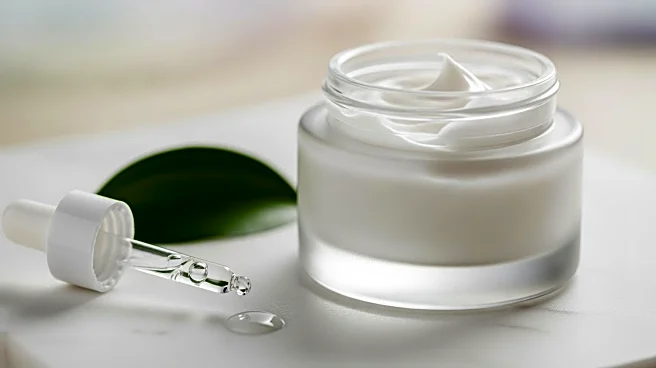

Skin care is a vital practice for maintaining and enhancing the health and appearance of the skin. It encompasses a range of activities, including washing, moisturizing, and protecting the skin from the sun.
This guide explores the essential components of skin care, highlighting the importance of each step and the products involved.
The Basics of Skin Care
At its core, skin care involves a few fundamental practices that are crucial for maintaining skin health. Washing the skin helps remove dirt, oil, and other impurities that can clog pores and lead to skin issues. Moisturizing is another key step, as it helps keep the skin hydrated and prevents dryness, which can lead to irritation and other problems. Protecting the skin from the sun is also essential, as excessive sun exposure can cause damage, leading to premature aging and an increased risk of skin cancer.
Skin care is not just about using products; it also involves making lifestyle changes and modifying environmental conditions. For instance, staying hydrated by drinking enough water can help keep the skin moisturized from the inside out. A balanced diet rich in vitamins and nutrients is also important for skin health, as deficiencies can lead to various skin problems.
Skin Care Products: Cosmetics and Drugs
In the United States, skin care products are categorized into two main groups: cosmetics and drugs. Cosmetics are products used to cleanse or enhance the appearance of the skin, such as face washes and moisturizers. These products do not require FDA approval before being sold, although they are still regulated for safety and labeling. On the other hand, drugs are products intended to treat or prevent health issues, such as acne creams or sunscreens. These products must go through a strict approval process before they can be marketed.
Some products, like moisturizing sunscreens and dandruff shampoos, can fall into both categories. Additionally, there are cosmeceuticals, which combine cosmetics with biologically active ingredients that may offer health benefits, although they are not officially recognized by the FDA.
Professional Skin Care and Treatments
For more persistent or severe skin conditions, professional skin care services may be necessary. Dermatologists and estheticians offer a range of treatments, including chemical peels, laser resurfacing, and microdermabrasion. These professionals can provide customized skin care plans and prescribe medications to address specific issues.
Consulting with a dermatologist is recommended for those experiencing ongoing skin problems. They can offer expert advice and treatments tailored to individual needs, ensuring the best possible outcomes for skin health and appearance.