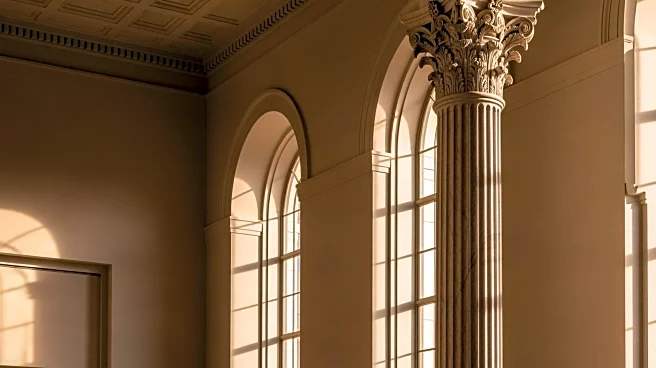


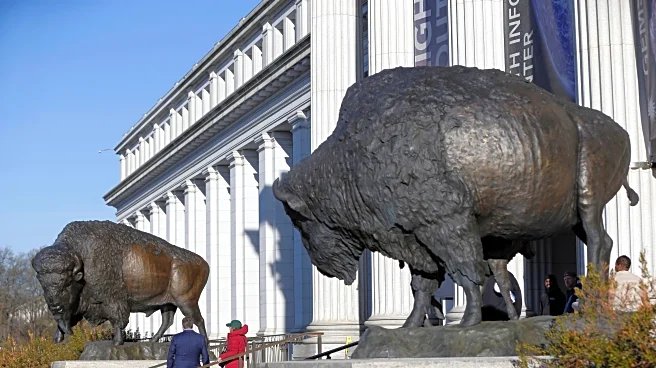

The National Gallery of Art in Washington, D.C., stands as a testament to the evolution of art appreciation in the United States. Established in 1937, the gallery has undergone significant transformations, expanding its collections and facilities to become a leading institution in the art world. This article traces the historical journey of the National Gallery of Art, highlighting key milestones and developments that have shaped its legacy.
Establishment and Early Years
The National
Gallery of Art was founded in 1937, thanks to the vision and generosity of Andrew W. Mellon. Mellon, a prominent financier and art collector, donated his extensive collection to the nation, laying the foundation for the gallery. His goal was to create a world-class art institution that would rival those in Europe, providing Americans with access to the finest works of art.
In its early years, the gallery focused on acquiring and displaying Western art, with a particular emphasis on European masterpieces. The Mellon Collection, featuring works by Raphael, Veronese, and Botticelli, became the cornerstone of the gallery's offerings. This collection set the standard for the gallery's future acquisitions, establishing its reputation as a premier art institution.
Expansion and Growth
Over the decades, the National Gallery of Art has expanded its collections and facilities to accommodate its growing audience. The gallery has received numerous donations from art collectors, including the Dale, Kress, and Widener collections. These contributions have enriched the gallery's holdings, allowing it to showcase a diverse range of artistic styles and periods.
In 1999, the gallery opened the National Gallery of Art Sculpture Garden, providing an outdoor space for contemporary sculptures. This addition marked a significant expansion of the gallery's offerings, attracting new visitors and enhancing its appeal. The Sculpture Garden, designed by landscape architect Laurie Olin, features a variety of sculptures and a fountain that transforms into an ice-skating rink during the winter months.
Recent Developments
In recent years, the National Gallery of Art has continued to evolve, embracing new technologies and expanding its reach. The gallery has launched initiatives to digitize its collections, making them accessible to a global audience. This effort reflects the gallery's commitment to preserving and sharing its treasures with art enthusiasts worldwide.
The gallery's ongoing development is a testament to its enduring legacy and its role as a cultural beacon in the United States. As it continues to grow and adapt, the National Gallery of Art remains a vital institution, offering visitors a chance to explore the rich tapestry of Western art.
The historical journey of the National Gallery of Art is one of growth and transformation, driven by a commitment to excellence and accessibility. From its humble beginnings to its current status as a leading art institution, the gallery has played a pivotal role in shaping the cultural landscape of the nation.