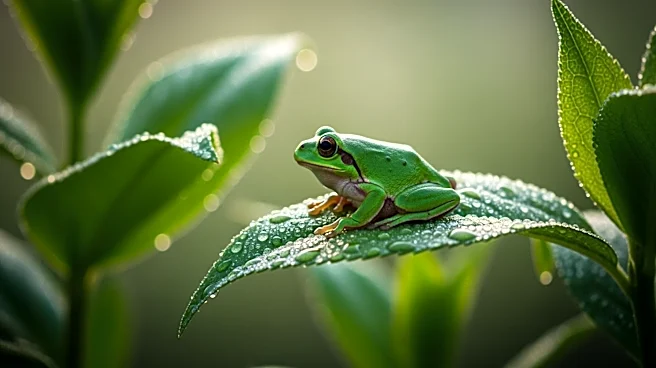






Frogs play a crucial role in maintaining the balance of ecosystems around the world. As both predators and prey, they are integral to food webs and contribute to the health of their environments. This article examines the ecological importance of frogs, highlighting their role in food chains and their impact on ecosystem dynamics.
Frogs as Predators
Frogs are voracious predators, feeding on a wide variety of invertebrates, including insects, spiders, and worms. By controlling
the populations of these organisms, frogs help maintain the balance of ecosystems and prevent overpopulation of certain species. This predatory role is particularly important in agricultural areas, where frogs can help reduce the number of crop-damaging pests.
In addition to their role in controlling invertebrate populations, frogs also contribute to nutrient cycling within ecosystems. As they consume prey, they break down organic matter and release nutrients back into the environment. This process supports plant growth and contributes to the overall productivity of ecosystems.
Frogs as Prey
Frogs are also an important food source for a variety of predators, including birds, mammals, reptiles, and fish. Their presence in the food web provides a vital link between different trophic levels, supporting the survival of many species. The loss of frog populations can have cascading effects on ecosystems, leading to declines in predator species and disruptions in food web dynamics.
The role of frogs as prey is particularly important in aquatic ecosystems, where they serve as a primary food source for fish and other aquatic predators. Tadpoles, the larval stage of frogs, are also consumed by a variety of organisms, contributing to the energy flow within aquatic environments.
Frogs as Environmental Indicators
Frogs are often considered environmental indicators due to their sensitivity to changes in their surroundings. Their permeable skin makes them particularly vulnerable to pollutants and environmental stressors, such as habitat destruction and climate change. As a result, declines in frog populations can serve as early warning signs of environmental degradation.
Conservation efforts aimed at protecting frog populations are essential for maintaining the health of ecosystems. By preserving their habitats and addressing threats such as pollution and disease, we can help ensure the continued survival of these important amphibians and the ecosystems they support.
Frogs are vital components of ecosystems, playing key roles as both predators and prey. Their presence contributes to the balance and health of food webs, and their sensitivity to environmental changes makes them important indicators of ecosystem health. Protecting frog populations is crucial for maintaining the integrity of ecosystems and ensuring the survival of countless other species.