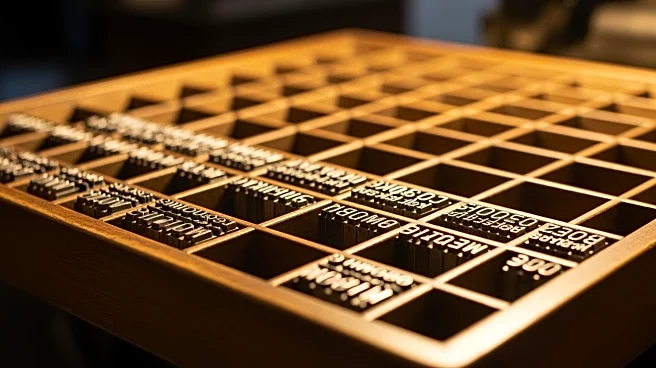




Typesetting is both an art and a science, involving the careful arrangement of text for publication. It requires a deep understanding of typography, font selection, and the visual presentation of written content. By exploring the technical and artistic elements of typesetting, we can appreciate its role in enhancing the readability and aesthetic appeal of text.
The Technical Aspects of Typesetting
At its core, typesetting involves the composition of text by arranging characters according
to a language's orthography. This process requires the use of fonts, which are often confused with typefaces. A font is a specific size and style of a typeface, and selecting the right font is crucial for achieving the desired visual effect.
In the pre-digital era, typesetting was a manual process that involved assembling individual sorts into words and lines. This required precision and attention to detail, as any errors in sorting could lead to misprints. With the advent of digital typesetting, the process has become more automated, allowing for greater accuracy and efficiency. Digital systems use raster image processors to render entire pages as high-resolution images, enabling precise control over text layout and formatting.
The Artistic Side of Typesetting
While typesetting is a technical process, it also involves artistic considerations. The choice of font, line spacing, and text alignment can significantly impact the overall appearance of a page. A well-designed layout can enhance the readability of text and create a visually appealing composition.
Typography plays a crucial role in typesetting, as it involves the design and arrangement of type to convey a message effectively. Different typefaces evoke different emotions and can influence the tone of a text. For example, serif fonts are often used for body text in printed materials due to their readability, while sans-serif fonts are popular for digital content because of their clean and modern appearance.
The Impact of Typesetting on Text Presentation
The way text is typeset can greatly affect how it is perceived by readers. Proper typesetting ensures that text is easy to read and visually appealing, enhancing the overall reading experience. It also allows for the effective communication of information, as well-designed text can guide the reader's eye and emphasize key points.
In addition to readability, typesetting can also convey a sense of professionalism and quality. Well-typeset documents are often seen as more credible and authoritative, making typesetting an essential aspect of publishing and design. As digital typesetting continues to evolve, designers have more tools at their disposal to create engaging and impactful text compositions.
Overall, typesetting is a vital component of text presentation, combining technical precision with artistic creativity to produce visually compelling and readable content.