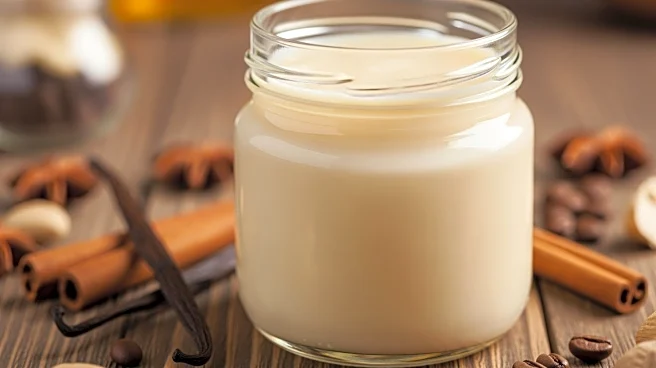




Custard, a beloved culinary creation, has a rich history that spans centuries. Originating as a simple mixture of milk or cream and eggs, custard has evolved into a versatile dessert enjoyed worldwide. This article delves into the historical development of custard, tracing its journey from medieval times to its modern-day variations. By examining its origins and transformations, we gain insight into how custard has become a staple in both sweet and savory
dishes.
Medieval Beginnings
Custard's roots can be traced back to the Middle Ages, where it was commonly used as a filling for tarts. These early custard tarts were popular in medieval Europe, with recipes appearing in collections such as "The Forme of Cury." The term "custard" itself is derived from the French word "croustade," which referred to the crust of a tart. These medieval custards often included solid ingredients like meat, fish, or fruit, bound together by the creamy mixture.
During this period, custards were not only a sweet treat but also a savory dish. The versatility of custard allowed it to be adapted for various culinary purposes, making it a favorite among cooks and diners alike. The use of marigold to color custards was also common in the Elizabethan era, adding a vibrant hue to the dish.
The Rise of Egg-Free Custard
The 19th century marked a significant turning point in the history of custard with the invention of Bird's Custard. Created by Alfred Bird in 1837, this egg-free custard powder was developed for his wife, who was allergic to eggs. Bird's Custard quickly gained popularity, offering a convenient alternative to traditional egg-based custards.
Bird's Custard became a household name, especially in the United Kingdom and Australia, where it is often simply referred to as "custard." The introduction of instant custard powders and ready-made custard products further cemented its place in modern kitchens. These innovations allowed custard to be prepared quickly and easily, making it accessible to a wider audience.
Modern Variations and Uses
Today, custard continues to be a versatile ingredient in both sweet and savory dishes. In its sweet form, custard is used in a variety of desserts, including crème anglaise, pastry cream, and flan. These variations highlight the adaptability of custard, as it can be flavored with vanilla, chocolate, or lemon to suit different tastes.
Savory custards, such as those found in quiches, demonstrate custard's ability to complement a range of ingredients. The addition of starches like cornflour or gelatin has expanded the possibilities for custard, allowing it to be used in innovative ways. Whether served as a dessert or a savory dish, custard remains a beloved culinary creation with a rich history and endless potential for future adaptations.