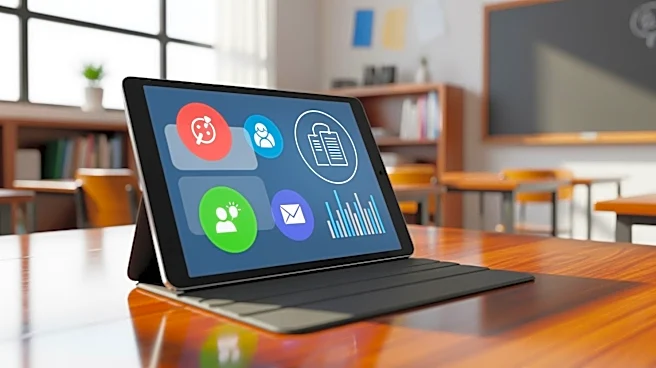







Learning management systems (LMS) have become a cornerstone of modern education, facilitating the administration, delivery, and tracking of educational courses and training programs. With their widespread adoption, LMSs have transformed how educators and students interact with learning materials. This article explores the role of LMSs in contemporary educational settings and their impact on teaching and learning.
Enhancing Course Delivery
LMSs provide a centralized platform
for educators to create and manage course content, making it easier to deliver educational materials to students. Teachers can integrate videos, documents, and interactive elements into their courses, offering a rich and engaging learning experience.
The ability to automate assessments and track student progress in real-time is a significant advantage of LMSs. Educators can monitor student performance and adjust their teaching strategies accordingly, ensuring that learning objectives are met.
Supporting Remote Learning
The COVID-19 pandemic underscored the importance of LMSs in supporting remote learning. As schools and universities closed their doors, LMSs became the primary means of delivering education. This shift highlighted the flexibility and scalability of LMSs, allowing institutions to continue their educational programs without interruption.
LMSs facilitate both synchronous and asynchronous learning, accommodating different learning styles and preferences. Students can access course materials at their own pace, participate in live discussions, and submit assignments online, making education more accessible and convenient.
Promoting Personalized Learning
Modern LMSs incorporate intelligent algorithms that recommend courses based on a user's skill profile, promoting personalized learning experiences. This feature allows students to tailor their education to their interests and career goals, enhancing engagement and motivation.
Additionally, LMSs support various e-learning standards, ensuring that content is accessible to all learners, including those with disabilities. This inclusivity is crucial in promoting equal educational opportunities and reaching marginalized groups.
In conclusion, learning management systems play a vital role in modern education by enhancing course delivery, supporting remote learning, and promoting personalized learning. As technology continues to evolve, LMSs will remain an essential tool for educators and students, shaping the future of education.