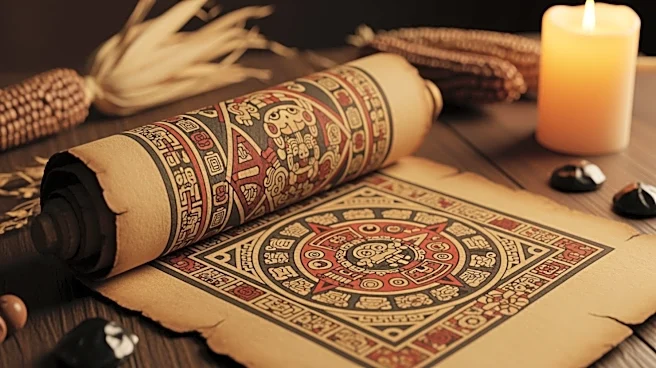

Aztec codices are Mesoamerican manuscripts created by the pre-Columbian Aztec and their Nahuatl-speaking descendants during the colonial period in Mexico. These codices are primarily pictorial and serve
as vital records of Aztec culture, history, and knowledge. This article delves into the cultural significance of Aztec codices and their role in preserving the rich heritage of the Aztec civilization.
The Role of Codices in Aztec Society
Before the Spanish colonization, the Aztecs relied on painted books and records to document various aspects of their lives, including history, science, land tenure, tribute, and sacred rituals. These manuscripts, known as amatl or amoxtli, were kept in libraries and temples, serving as essential tools for governance and policy. The codices contained information about the Aztec worldview, religious practices, and social structure, providing a comprehensive understanding of their civilization.
The Aztec codices were made from materials like fig-bark paper or stretched deerskins, sewn together to form long strips or cloths. Despite the destruction of many codices by Spanish conquerors and Catholic priests, a significant number of these manuscripts survived, offering invaluable insights into Aztec culture and history.
Preservation and Study of Aztec Codices
The surviving Aztec codices are now housed in museums, archives, and private collections, where they continue to be studied by scholars. These manuscripts are classified into various categories, including calendrical, historical, genealogical, cartographic, and economic records. The study of Aztec codices has led to a deeper understanding of the civilization's social and political systems, as well as their artistic and literary traditions.
Important colonial-era codices, such as the Codex Mendoza and the Florentine Codex, have been published with scholarly translations, making them accessible to a wider audience. These codices provide a narrative of the Spanish conquest from the Indigenous perspective, offering a unique view of historical events.
The Legacy of Aztec Codices
Aztec codices have had a lasting impact on contemporary Mexican society, particularly among Nahua communities who are rediscovering their histories through these texts. The codices serve as a bridge between past and present, allowing modern readers to connect with their cultural heritage and understand the complexities of Aztec civilization.
The continued scholarship of Aztec codices has also influenced cultural studies in regions like Los Angeles, where there is growing interest in Nahua language and culture. As these manuscripts are studied and appreciated, they continue to enrich our understanding of the Aztec world and its enduring legacy.