





Cajun cuisine is a unique culinary tradition that emerged in Louisiana, deeply rooted in the history and cultural exchanges of the region. This style of cooking is known for its rustic nature, relying on locally available ingredients and simple preparation methods. The evolution of Cajun cuisine is a fascinating journey that reflects the diverse influences of Native American, West African, French, and Spanish cultures.
Historical Roots
The origins of Cajun cuisine
can be traced back to the Acadians, French colonists who settled in Eastern Canada in the early 17th century. Following their expulsion by the British during the French and Indian War, many Acadians resettled in southern Louisiana, where they became known as Cajuns. The drastic change in climate and available resources forced the Acadians to adapt their culinary traditions, incorporating elements from the local Native American and African American communities.
One of the most significant adaptations was the replacement of whole-wheat bread with cornbread, a staple in Cajun cuisine. The introduction of okra, a key ingredient in gumbo, exemplifies the influence of West African culinary practices. Over time, the Cajuns developed a distinct style of cooking that emphasized the use of local ingredients and one-pot meals, such as jambalaya and gumbo.
Cultural Influences
Cajun cuisine is a testament to the cultural blending that occurred in Louisiana. The French influence is evident in the use of roux, a mixture of fat and flour used as a thickening agent in many dishes. However, unlike traditional French roux, Cajun roux is often made with oil or bacon fat instead of butter, giving it a unique flavor profile.
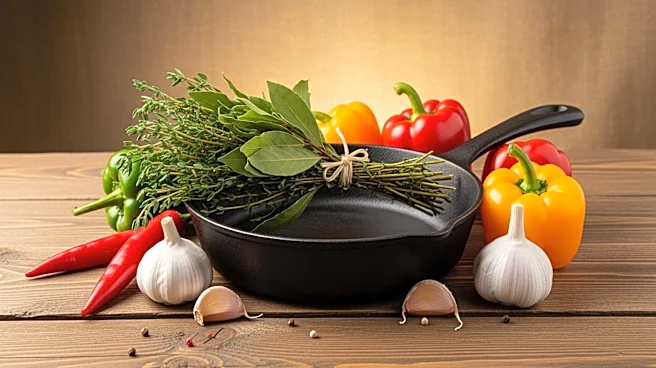
The "holy trinity" of Cajun cooking—onions, bell peppers, and celery—parallels the French mirepoix but with a regional twist. This aromatic base is essential in many Cajun dishes, providing a foundation of flavor that is enhanced by spices such as cayenne pepper and Louisiana-style hot sauce.
Modern Adaptations
In the 20th century, Cajun cuisine gained national attention, partly due to the efforts of chefs like Paul Prudhomme, who popularized a spicier version of the traditional dishes. This led to a widespread misconception that all Cajun food is extremely hot, whereas authentic Cajun cuisine tends to have a milder, well-balanced heat.
Today, Cajun cuisine continues to evolve, incorporating new influences while maintaining its core principles of simplicity and reliance on local ingredients. The influx of Vietnamese immigrants to the Gulf Coast has even led to the creation of Viet-Cajun fusion dishes, showcasing the ongoing adaptability and creativity inherent in Cajun cooking.