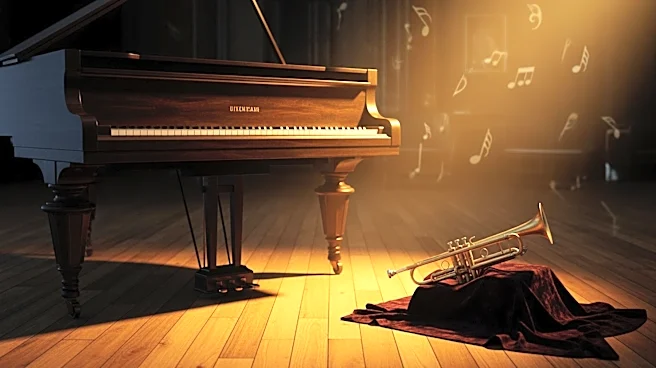





The 1947 film "New Orleans" is a musical romance that stands out for its rich portrayal of jazz music and its inclusion of legendary musicians. Directed by Arthur Lubin, the film features over twenty jazz songs, showcasing the vibrant musical culture of New Orleans. With performances by iconic figures like Billie Holiday and Louis Armstrong, the film captures the essence of Dixieland jazz and its impact on American music.
Jazz Legends in the Spotlight
"New Orleans" is notable for
its casting of jazz legends, including Billie Holiday and Louis Armstrong. Holiday, in her only feature film appearance, plays a singing maid romantically involved with Armstrong's bandleader character. Armstrong's band in the film is a veritable "Who's Who" of classic jazz greats, featuring trombonist Kid Ory, drummer Zutty Singleton, clarinetist Barney Bigard, guitar player Bud Scott, bassist George "Red" Callender, and pianists Charlie Beal and Meade Lux Lewis. The film also includes performances by cornetist Mutt Carey and bandleader Woody Herman, further enriching its musical tapestry.
The presence of these musicians not only adds authenticity to the film's portrayal of New Orleans jazz but also serves as a tribute to the genre's pioneers. Their performances highlight the improvisational and energetic style that defines Dixieland jazz, offering audiences a glimpse into the musical heritage of New Orleans.
The Role of Music in the Film
Music plays a central role in "New Orleans," with over twenty songs featured throughout the film. This extensive use of music underscores the film's dedication to showcasing the vibrant jazz scene of the city. The soundtrack includes both full songs and partial versions, allowing the film to weave music seamlessly into its narrative.
The film's musical selections reflect the diverse influences that shaped New Orleans jazz, from blues to ragtime. By incorporating these elements, "New Orleans" not only entertains but also educates viewers about the city's musical evolution. The film's commitment to authenticity is further demonstrated by its collaboration with the National Jazz Foundation during filming.
Impact on Jazz and Film
"New Orleans" serves as a cultural artifact that captures the spirit of jazz during a pivotal era. By featuring renowned musicians and an array of jazz compositions, the film contributes to the preservation and celebration of New Orleans' musical legacy. Its portrayal of jazz as a dynamic and influential genre helps cement the city's reputation as a hub of musical innovation.
The film's impact extends beyond its narrative, influencing subsequent portrayals of jazz in cinema. By highlighting the genre's pioneers and their contributions, "New Orleans" inspires future filmmakers to explore the rich history and cultural significance of jazz. As a result, the film remains a valuable resource for understanding the role of music in shaping American culture.