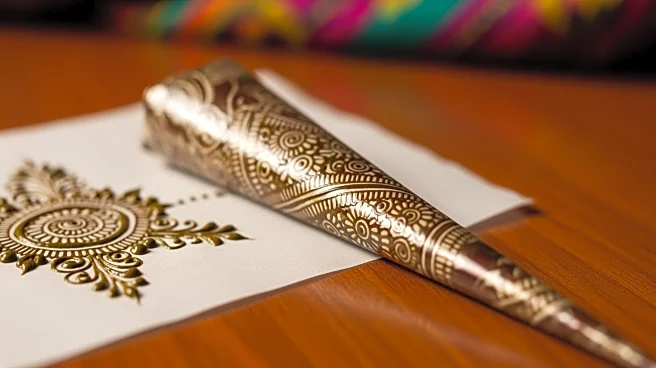

Henna, a dye derived from the Lawsonia inermis plant, has been used for centuries in various cultures for its vibrant reddish stains. Its application in body art, particularly in the form of mehndi or henna
tattoos, holds significant cultural importance across the globe. From ancient Egypt to modern-day celebrations, henna has been a symbol of beauty, joy, and blessings, deeply embedded in the traditions of many societies.
Henna in Ancient Traditions
Henna's use dates back to ancient Egypt, where it was employed to dye the hair, skin, nails, and even funeral wrappings of mummies. This practice highlights the cultural reverence for henna as a beautification tool and its association with the afterlife. In the ancient Near East and the Indian subcontinent, henna was similarly used to adorn the body, signifying its widespread acceptance and cultural significance.
In the Maghreb region, henna arrived during the Punic civilization through Phoenician Diasporas. It was used not only for beautification but also as a medicinal and perfumery agent, as noted by Pliny the Elder in the Roman Empire. These historical uses underscore henna's multifaceted role in ancient societies, where it was valued for both its aesthetic and practical applications.
Regional Variations and Traditions
Henna's cultural significance varies by region, with specific designs and applications reflecting local traditions. In Morocco, henna designs often incorporate geometric shapes like triangles and diamonds, characteristic of traditional Moroccan beading. The complexity of bridal henna traditions in Yemen, where the Jewish bridal henna process could take four to five days, exemplifies the intricate cultural practices surrounding henna.
In India, the fashion of "Bridal Mehndi" is growing in complexity, with innovations in glitter, gilding, and fine-line work. This evolution reflects the dynamic nature of henna art, adapting to contemporary tastes while maintaining its traditional roots. The government encouragement for henna cultivation has further enhanced its artistic potential, making it a thriving business for women in countries where working outside the home is discouraged.
Henna in Modern Celebrations
Today, henna continues to play a vital role in celebrations across the henna-growing regions. Events such as Purim, Eid, Diwali, Karva Chauth, and Passover often include henna as part of the festivities. Bridal henna nights remain an important custom, with brides adorned in the most complex patterns to symbolize joy and wishes for luck.
Henna's association with blessings, or Barakah, is a testament to its enduring cultural significance. Whether applied for luck, beauty, or joy, henna remains a cherished tradition, connecting people to their cultural heritage and celebrating life's milestones.