


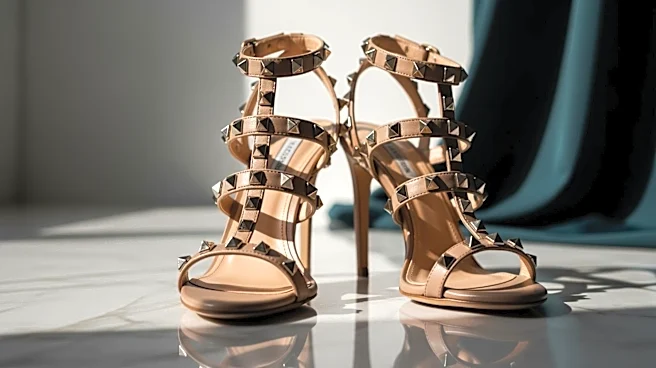
High-heeled shoes have undergone significant stylistic and design changes throughout history, reflecting shifts in fashion trends and technological advancements. These shoes, known for their elevated heels, have evolved from practical footwear to intricate designs that cater to diverse tastes and occasions. The journey of high heels showcases the dynamic nature of fashion and the creativity of designers.
Early Designs and Innovations
The origins of high-heeled shoes can be traced
back to the 16th century, when they were worn by European royalty. Initially, high heels were simple in design, serving primarily to enhance the wearer's height and presence. As they gained popularity, designers began experimenting with materials and construction techniques, leading to more elaborate designs.
By the 17th century, high heels had become symbols of status and exclusivity, with King Louis XIV restricting the wearing of red high heels to his court. This period saw the introduction of decorative elements, such as buckles and bows, which added a touch of elegance to the shoes. These innovations marked the beginning of high heels as fashion items, paving the way for future stylistic developments.
20th Century Transformations
The 20th century brought significant changes to high-heeled footwear, as designers explored new materials and styles. The introduction of stiletto heels in the 1950s revolutionized the design of high heels, offering a sleek and sophisticated look that emphasized the wearer's femininity. This era also saw the use of patent leather and other luxurious materials, enhancing the aesthetic appeal of high heels.
Designers continued to innovate, creating a variety of heel heights and shapes to suit different occasions and preferences. High heels became more accessible to the general public, with styles ranging from elegant evening shoes to casual daytime wear. These developments reflected broader changes in fashion, as high heels became integral to women's wardrobes.
Contemporary Styles and Trends
Today, high-heeled shoes are available in a wide range of styles, catering to diverse tastes and needs. From classic pumps to avant-garde designs, high heels continue to evolve, reflecting current fashion trends and technological advancements. Designers experiment with materials like synthetic fabrics and innovative construction techniques, creating shoes that are both stylish and comfortable.
High heels remain popular for their ability to enhance one's appearance, making legs appear longer and accentuating the calf muscles. Despite debates around comfort and health, high heels continue to be celebrated for their aesthetic appeal and versatility. As fashion evolves, high heels will likely remain a key element, adapting to new trends and cultural shifts.