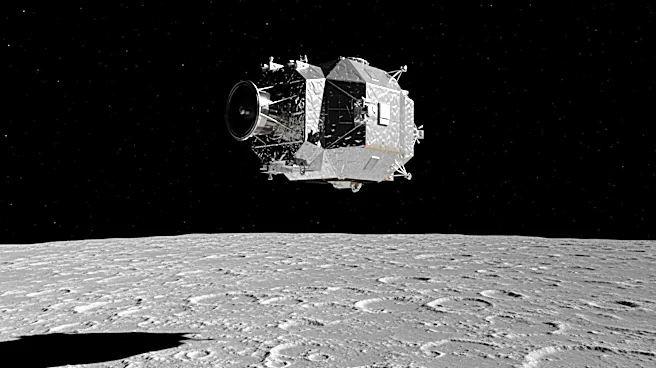




The Magellan spacecraft, launched in 1989, was a pioneering mission that introduced several technological advancements in space exploration. This article explores the design features and technological innovations that made Magellan a unique and successful mission to Venus.
Spacecraft Design and Components
The Magellan spacecraft was constructed using a combination of flight spare parts and reused design elements from previous missions. The main body of the spacecraft was a spare from the Voyager
missions, consisting of a 10-sided aluminum bus housing computers, data recorders, and other subsystems. The spacecraft measured 6.4 meters tall and 4.6 meters in diameter, with a total weight of 3,445 kilograms.
The attitude control system was designed to be three-axis stabilized, a departure from the typical spin mode used in previous spacecraft. This required a complex propulsion system to manage the large Star 48B solid rocket motor, which developed a thrust of approximately 89 kN. The propulsion system included 24 monopropellant hydrazine thrusters fed from a titanium tank.
Communication and Power Systems
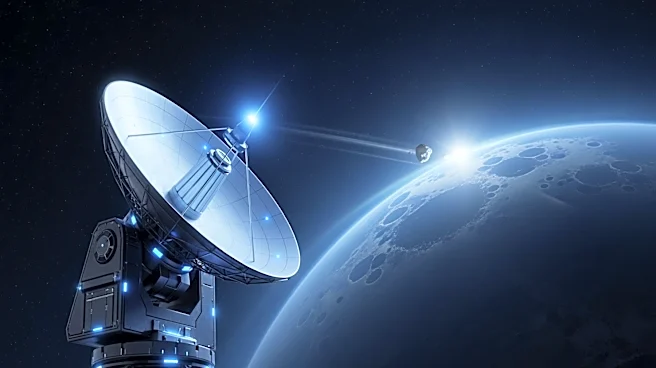
Magellan's communication system featured a high-gain antenna from the Voyager Program and a medium-gain antenna spare from the Mariner 9 mission. The spacecraft was capable of receiving commands at 1.2 kilobits per second in the S-band and transmitting data at 268.8 kilobits per second in the X-band.
Power was supplied by two square solar arrays, each measuring 2.5 meters across, providing 1,200 watts at the mission's start. Over time, the solar arrays degraded due to extreme temperature changes. To maintain power during periods without sunlight, twin nickel-cadmium batteries were included, recharging when the spacecraft was in direct sunlight.
Scientific Instruments and Data Processing
The Magellan spacecraft was equipped with a synthetic aperture radar system, designed to map Venus's surface through its thick atmosphere. The radar system functioned in three modes: synthetic aperture radar, altimetry, and radiometry. These modes allowed the spacecraft to observe surface geology, topography, and temperature.
Data collected by Magellan was stored on two multitrack digital tape recorders, capable of holding up to 225 megabytes of data. The computing system included modified equipment from the Galileo mission, with redundant systems to ensure autonomous control in case of communication issues.
Magellan's technological innovations, from its propulsion system to its radar capabilities, played a crucial role in the success of the mission. These advancements not only contributed to the detailed mapping of Venus but also set the stage for future interplanetary missions.