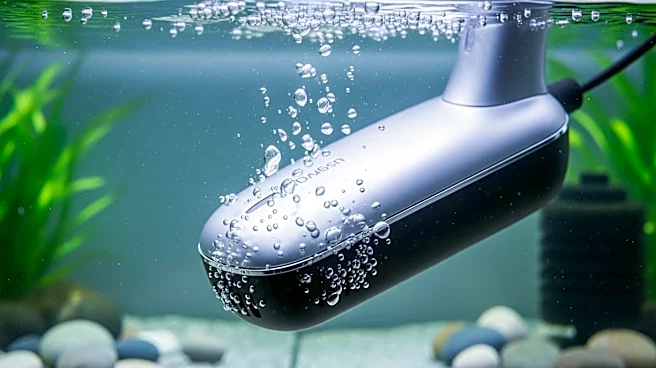



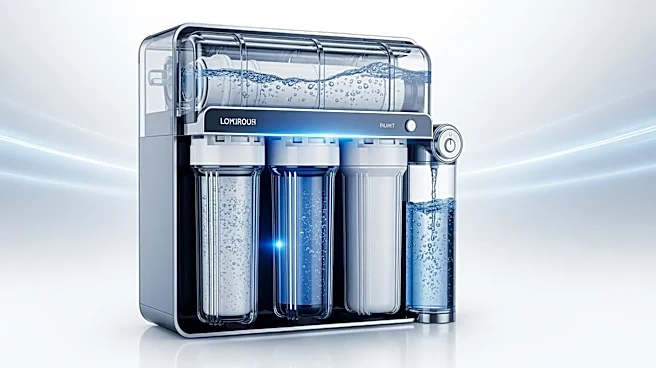

Aquarium filters are indispensable components in both freshwater and marine aquariums. They play a crucial role in maintaining the health and stability of these aquatic environments. By removing waste and toxins, filters ensure that the water remains clean and safe for fish and other aquatic life. This article delves into the various types of aquarium filters and their essential functions.
Mechanical Filtration: The First Line of Defense
Mechanical filtration is the process of removing particulate
matter from the water column. This includes uneaten food, feces, and plant debris. The filtration is typically achieved by passing water through materials that act as a sieve, physically trapping the particulate matter. This process is essential because if solid wastes are not removed, they can decay and dissolve, leading to water contamination.
The simplest type of mechanical filter consists of filter wool, which traps large debris and particles. Regular maintenance is crucial to ensure these filters remain effective. If not cleaned or replaced regularly, the trapped waste can decompose, releasing harmful substances back into the water.
Chemical Filtration: Tackling Dissolved Impurities
Chemical filtration targets dissolved wastes that are more challenging to remove. Techniques such as using activated carbon and foam fractionation are popular methods. Activated carbon is highly porous and adsorbs toxins on its surface, effectively removing them from the water.
However, activated carbon filters require regular replacement. If allowed to saturate, they can re-release their adsorbed contents in harmful doses. This makes regular maintenance and monitoring essential to prevent potential harm to the aquarium's inhabitants.
Biological Filtration: Supporting the Nitrogen Cycle
Biological filtration is vital for managing the nitrogen cycle within an aquarium. Fish waste and decomposing organic matter produce ammonia, which is toxic to fish. Beneficial bacteria in the filter convert ammonia into nitrites and then into less harmful nitrates.
These bacteria colonize surfaces within the aquarium, including the filter media. A biological filter often consists of a porous sponge that provides a large surface area for bacterial growth. This process is crucial for maintaining a healthy aquarium, as the accumulation of toxic ammonia is a leading cause of fish mortality in new or poorly maintained tanks.
In conclusion, aquarium filters are essential for maintaining a healthy aquatic environment. By employing mechanical, chemical, and biological filtration methods, they ensure that waste and toxins are effectively removed, supporting the life and well-being of the aquarium's inhabitants.