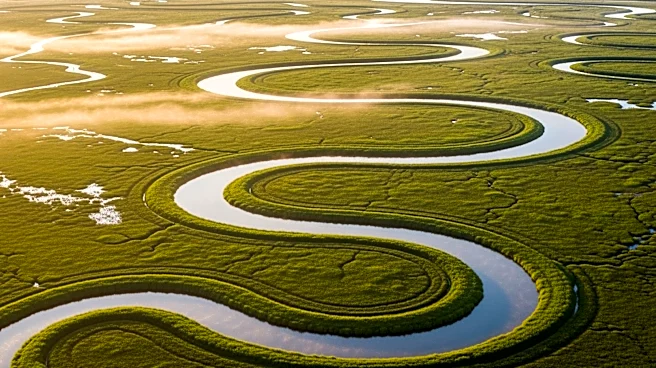





The Everglades, a vast and unique wetland in Florida, has a rich history shaped by both natural processes and human intervention. From early settlement attempts to modern conservation efforts, the Everglades' history is a testament to the complex relationship between humans and the environment. Understanding this history provides valuable insights into the challenges and opportunities for preserving this vital ecosystem.
Early Settlement and Development
The history of human interaction
with the Everglades dates back thousands of years, with Native American tribes such as the Calusa and Seminole inhabiting the region. These early inhabitants adapted to the challenging environment, relying on the abundant natural resources for sustenance. However, it was not until the late 19th century that significant efforts to alter the landscape began.
In the late 1800s, land developers saw the potential for agricultural expansion in the Everglades. The first attempts to drain the wetlands were initiated by Hamilton Disston, who constructed canals to reclaim land for farming. Although these early efforts were largely unsuccessful, they set the stage for more extensive drainage projects in the 20th century.
The Impact of Drainage Projects
The early 20th century saw a surge in efforts to drain the Everglades for agricultural and urban development. The Central and Southern Florida Flood Control Project, established in response to devastating hurricanes, constructed an extensive network of canals and levees. These projects significantly altered the natural flow of water, leading to ecological imbalances and habitat loss.
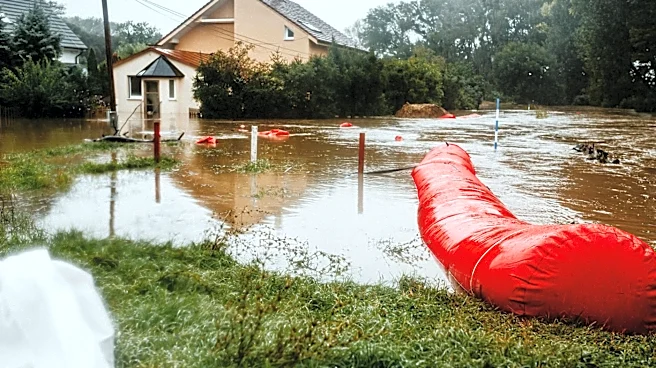
The drainage projects facilitated the growth of agriculture, particularly sugarcane farming, in the Everglades Agricultural Area. However, the environmental consequences were severe, with the loss of wetlands, decline of wildlife populations, and degradation of water quality. The altered landscape also increased the vulnerability of the region to flooding and other natural disasters.
Modern Conservation Efforts
In response to the environmental degradation caused by human activities, modern conservation efforts have focused on restoring the Everglades' natural systems. The Comprehensive Everglades Restoration Plan (CERP) is a landmark initiative aimed at reversing the damage caused by decades of drainage and development. This ambitious plan seeks to restore natural water flow, improve water quality, and protect wildlife habitats.
Organizations like Friends of the Everglades, founded by environmental activist Marjory Stoneman Douglas, have played a crucial role in advocating for the preservation of the Everglades. These groups work to raise awareness, influence policy, and support scientific research to address the complex issues facing the region. While significant progress has been made, ongoing efforts are necessary to ensure the long-term health and sustainability of the Everglades.