
Dhanurasana, or Bow Pose, is not only a significant asana in yoga practice but also holds cultural importance in classical Indian dance forms. Its graceful arch and dynamic posture have made it a favored element in performances such as Bharatanatyam. This article explores the cultural impact of Dhanurasana, highlighting its role in Indian dance and its symbolic significance.
Dhanurasana in Bharatanatyam
Bharatanatyam, one of the oldest classical dance forms in India, incorporates
Dhanurasana into its repertoire. The pose's elegant curve mirrors the aesthetic qualities valued in Bharatanatyam, where dancers strive to convey stories and emotions through precise movements and expressions.
In Bharatanatyam, Dhanurasana is used to depict various narratives, often symbolizing strength, grace, and balance. The pose's resemblance to a bow adds a dynamic element to performances, allowing dancers to embody characters and themes with physicality and poise. This integration of yoga and dance showcases the interconnectedness of these disciplines in Indian culture.
Symbolic Significance
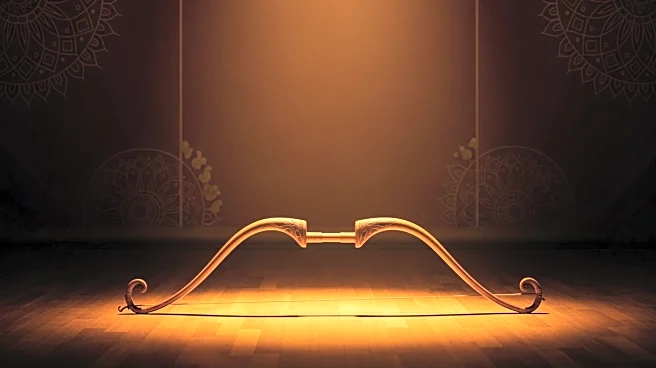
Beyond its physical form, Dhanurasana carries symbolic significance in Indian dance. The bow is a powerful symbol in Indian mythology, often associated with warriors and deities. In the Ramayana, the bow is central to the story of Rama and Sita, where Rama's ability to wield Shiva's bow signifies his worthiness as Sita's husband.
This mythological connection enhances the cultural resonance of Dhanurasana in dance, allowing performers to draw on rich narratives and symbolism. The pose becomes a vehicle for storytelling, enabling dancers to convey complex themes and emotions through their movements.
Broader Cultural Impact
The use of Dhanurasana in Indian dance reflects the broader cultural impact of yoga in India. Yoga and dance share a focus on physical expression and spiritual connection, making them complementary practices. The integration of yoga poses into dance highlights the versatility and adaptability of yoga, allowing it to enrich artistic performances.
As yoga continues to gain popularity worldwide, its cultural roots remain significant, influencing various forms of art and expression. Dhanurasana's presence in Indian dance serves as a reminder of yoga's enduring legacy and its ability to inspire creativity and cultural exchange.
Through its role in classical Indian dance, Dhanurasana exemplifies the fusion of physical discipline and artistic expression, showcasing the rich cultural heritage of yoga and its impact on the arts.