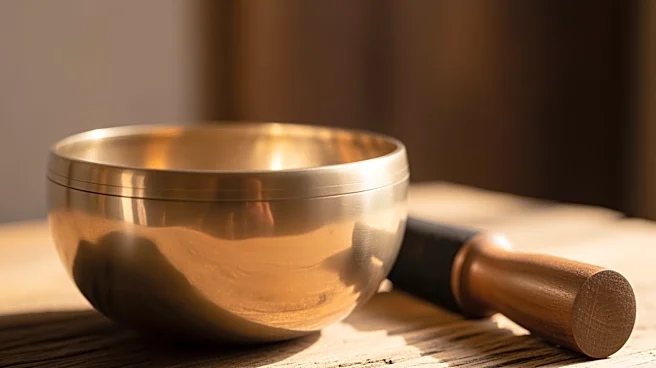

Singing bowls, often associated with meditation and relaxation, have a rich cultural and spiritual significance. These musical instruments are played by rotating a mallet around their rim to produce a sustained
note. Their sound is believed to promote healing and spiritual well-being, making them popular in various therapeutic practices. This article delves into the cultural and spiritual impact of singing bowls, highlighting their use in meditation, therapy, and personal spirituality.
Historical Roots and Modern Use
Singing bowls have a long history, with their origins traced back to China. Initially, they were used in Buddhist religious practices to accompany meditation and chanting. Over time, their use expanded beyond religious contexts, becoming popular in the West for music making, meditation, and relaxation. The bowls are often associated with the new-age genre, marketed as 'Tibetan music,' despite their origins being more closely linked to China and Nepal.
In modern times, singing bowls have gained popularity among music therapists, sound healers, and yoga practitioners. Their ability to produce a calming and meditative sound makes them ideal for creating a peaceful environment conducive to relaxation and introspection. The bowls are also used in sound therapy, where their vibrations are believed to work on the chakras, promoting physical and emotional healing.
Spiritual and Therapeutic Applications
The spiritual significance of singing bowls is deeply rooted in their use in meditation and personal spirituality. Many people believe that the sound of the bowls can induce an altered state of consciousness, enhancing meditation and spiritual practices. This belief is supported by the idea that the sound can work on the chakras, aligning and balancing the body's energy centers.
In therapeutic settings, singing bowls are used to promote relaxation and reduce stress. Their soothing sound is thought to help calm the mind and body, making them a popular tool in alternative medicine. The bowls are often used in conjunction with other relaxation techniques, such as deep breathing and visualization, to enhance their therapeutic effects.
The Role of Singing Bowls in Western Culture
In the West, singing bowls have become a symbol of relaxation and spiritual well-being. Their association with 'Tibetan music' and the new-age movement has contributed to their popularity, with many people using them as a tool for personal growth and healing. The bowls are often featured in recordings of relaxation music, where their sound is attributed with healing powers and the ability to create an 'altered state' in the listener.
The cultural significance of singing bowls continues to evolve as they become more integrated into Western practices. Their use in meditation, therapy, and personal spirituality highlights their versatility and enduring appeal. As more people discover the benefits of singing bowls, their cultural and spiritual impact is likely to grow, further cementing their place in modern wellness practices.