



Thai cuisine is a vibrant and flavorful culinary tradition that has captured the hearts and palates of people around the world. Known for its harmonious balance of sweet, sour, salty, and spicy flavors, Thai food is a reflection of the country's rich cultural heritage and diverse regional influences. This article delves into the key elements that define Thai cuisine, from its use of fresh herbs and spices to its regional variations and historical
influences.
The Essence of Thai Flavors
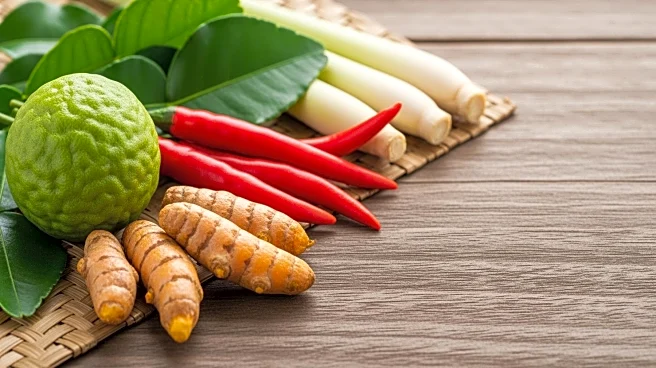
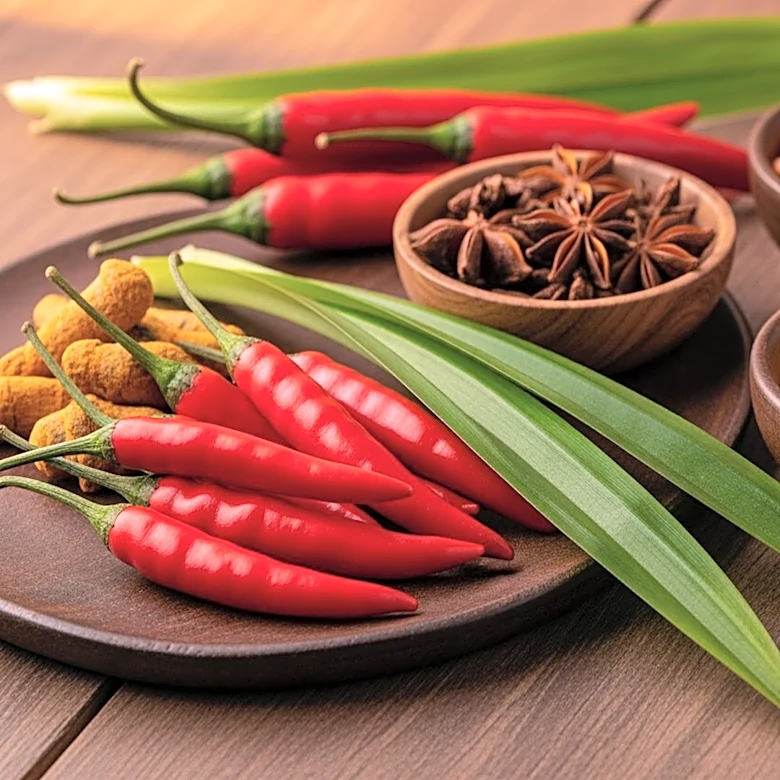
At the heart of Thai cuisine is its enthusiastic use of fresh herbs and spices. Common flavors include garlic, galangal, coriander, lemongrass, shallots, pepper, kaffir lime leaves, shrimp paste, fish sauce, and chilies. These ingredients are often combined to create complex and aromatic dishes that tantalize the taste buds. Palm sugar is used to add sweetness, while lime and tamarind provide sour notes, creating a delicate balance of flavors that is characteristic of Thai cooking.
Meats such as pork, chicken, duck, beef, and water buffalo are commonly used in Thai dishes, while seafood plays a significant role in the diet, especially in coastal regions. The use of fresh ingredients and the emphasis on balancing flavors make Thai cuisine both unique and universally appealing.
Regional Variations and Influences
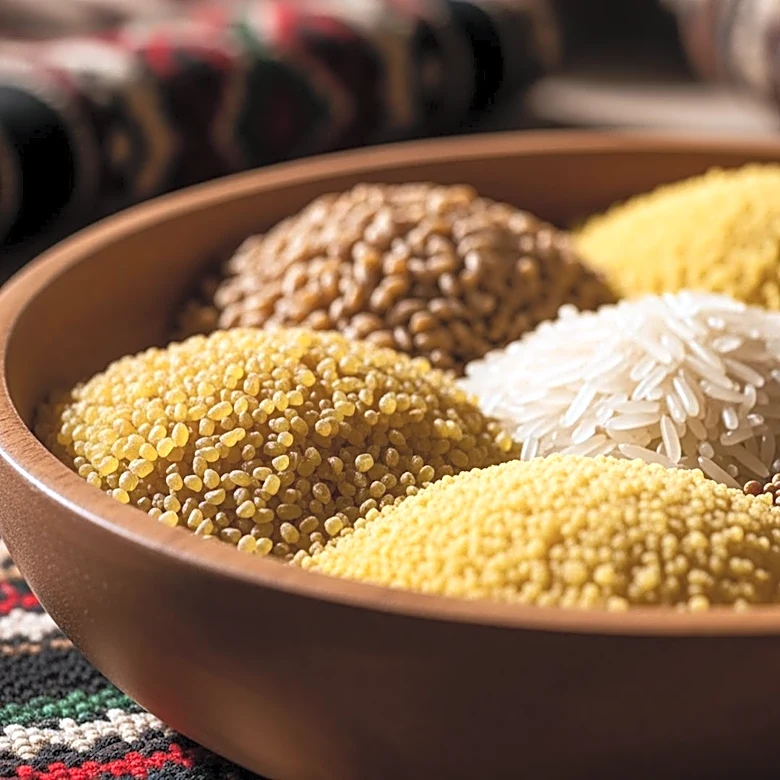
Thai cuisine is not monolithic; it varies significantly across the country's regions, each with its own distinct flavors and ingredients. Northern Thai cuisine, for example, is influenced by the cooler climate and mountainous terrain, resulting in dishes that are less spicy and often include ingredients like sticky rice and herbs. In contrast, Southern Thai cuisine is known for its bold flavors, with liberal use of coconut milk and fresh turmeric, reflecting the region's proximity to the sea and its Malay influences.
The central region, home to the capital city of Bangkok, is a melting pot of flavors and culinary traditions. Here, one can find a wide array of dishes that incorporate elements from all over Thailand, as well as influences from neighboring countries such as Cambodia, Laos, Myanmar, and Malaysia.
Historical Roots and Cultural Significance
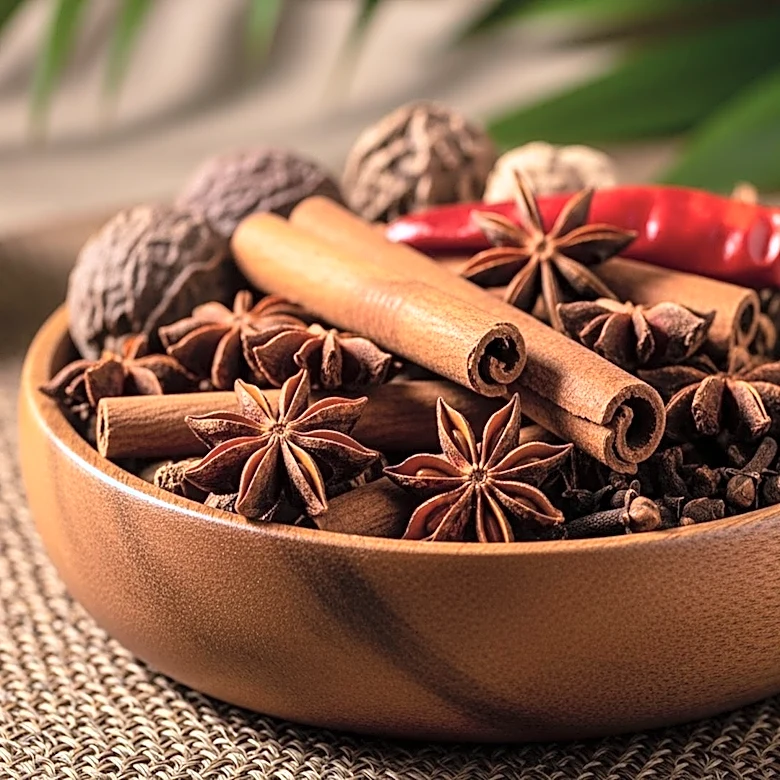
The history of Thai cuisine is a testament to the country's rich cultural exchanges and interactions with its neighbors. Indian influences are evident in the use of spices and the preparation of herbal medicines, while Chinese immigrants introduced stir-frying and noodle dishes. The introduction of chili peppers from the Americas by Portuguese and Spanish traders in the 16th or 17th century added a new dimension to Thai cooking, making it spicier and more vibrant.
Thai cuisine also reflects the country's royal heritage, with dishes that were once reserved for the palace now enjoyed by people from all walks of life. The emphasis on presentation and the use of high-quality ingredients are hallmarks of Thai royal cuisine, which has influenced the culinary traditions of the central Thai plains.
In conclusion, Thai cuisine is a rich tapestry of flavors, ingredients, and cultural influences. Its ability to balance complex flavors and its diverse regional variations make it a beloved culinary tradition that continues to captivate food enthusiasts around the world.