



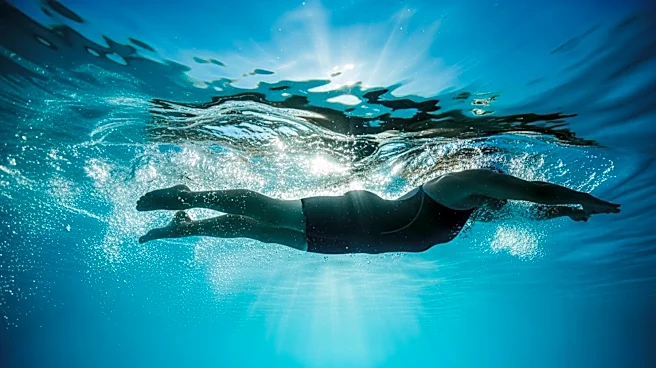


Swimming is a fundamental human activity that involves moving through water using bodily movements. It is often performed without any external support or propulsion, making it a unique form of exercise and recreation. This article delves into the basic aspects of swimming, highlighting its role as both a survival skill and a form of aerobic exercise.
The Nature of Swimming
Swimming is characterized by the movement and propulsion through water using various body parts. Humans
have the innate ability to hold their breath underwater and perform rudimentary swimming movements. This capability can be observed just weeks after birth, suggesting an evolutionary response that aids in survival. The act of swimming is not only a recreational activity but also serves as a crucial skill for survival in water-based environments.
The practice of swimming can be categorized into different styles and techniques, each with its own set of movements and purposes. Whether for leisure, sport, or exercise, swimming offers a versatile way to engage with water. The ability to swim effectively requires coordination, strength, and endurance, making it a comprehensive physical activity.
Swimming as Aerobic Exercise
Swimming is primarily an aerobic exercise, which means it relies on a constant supply of oxygen to the muscles. This characteristic makes it an excellent form of cardiovascular exercise, promoting heart health and overall fitness. Unlike short, intense bursts of activity, swimming involves sustained effort, which helps improve endurance and stamina.
The aerobic nature of swimming also contributes to stress reduction and posture improvement. Regular swimming can lead to the development of a distinct physique, often referred to as the "swimmer's build." This is characterized by a lean, muscular body that results from the resistance and buoyancy of water, which provides a full-body workout.
The Benefits of Swimming
Swimming offers numerous benefits beyond physical fitness. It is a low-impact exercise, making it suitable for individuals of all ages and fitness levels. The buoyancy of water reduces stress on joints, which is particularly beneficial for those with arthritis or other joint-related issues. Additionally, swimming can be a therapeutic activity, providing mental relaxation and a sense of well-being.
The versatility of swimming allows it to be adapted for various purposes, from competitive sports to leisurely recreation. Whether in a pool or open water, swimming provides an opportunity to connect with nature and enjoy the calming effects of water. As a lifelong skill, swimming not only enhances physical health but also enriches one's quality of life.