






Protein synthesis is a fundamental biological process that translates genetic information into functional proteins. This intricate process involves multiple steps, each crucial for ensuring that proteins are accurately produced and able to perform their roles within the cell. Understanding protein synthesis provides insight into how cells maintain their functions and respond to environmental changes.
Transcription: From DNA to mRNA
The first step in protein synthesis is transcription,
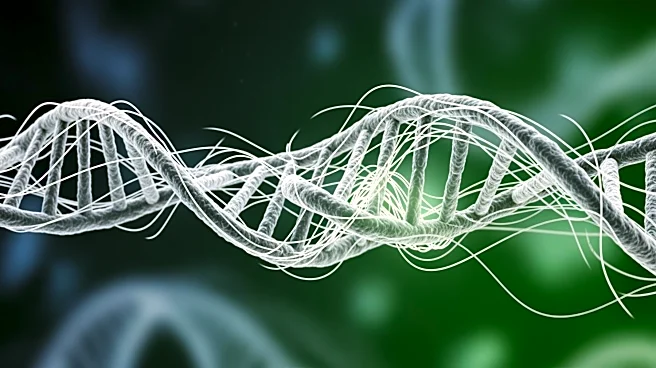
where a segment of DNA is converted into messenger RNA (mRNA). This process occurs in the cell nucleus and is facilitated by the enzyme RNA polymerase. The enzyme binds to the DNA template strand and synthesizes a complementary strand of pre-mRNA. In eukaryotes, this pre-mRNA undergoes post-transcriptional modifications, including the addition of a 5' cap and a 3' poly(A) tail, as well as splicing to remove non-coding introns.
These modifications are essential for stabilizing the mRNA and preparing it for export to the cytoplasm. The mature mRNA carries the genetic code from the DNA, which will be used to direct the synthesis of proteins during translation.
Translation: Building the Polypeptide Chain
Translation is the process by which ribosomes read the mRNA sequence and synthesize a corresponding polypeptide chain. This occurs in the cytoplasm, where ribosomes bind to the mRNA and facilitate the assembly of amino acids into a polypeptide. Transfer RNA (tRNA) molecules play a critical role in this process, as they deliver specific amino acids to the ribosome based on the codon sequence of the mRNA.
Each tRNA has an anticodon that pairs with a complementary codon on the mRNA, ensuring that the correct amino acid is added to the growing polypeptide chain. The ribosome catalyzes the formation of peptide bonds between amino acids, elongating the chain until a stop codon is reached. At this point, the completed polypeptide is released, ready to undergo folding and post-translational modifications.
Folding and Post-Translational Modifications
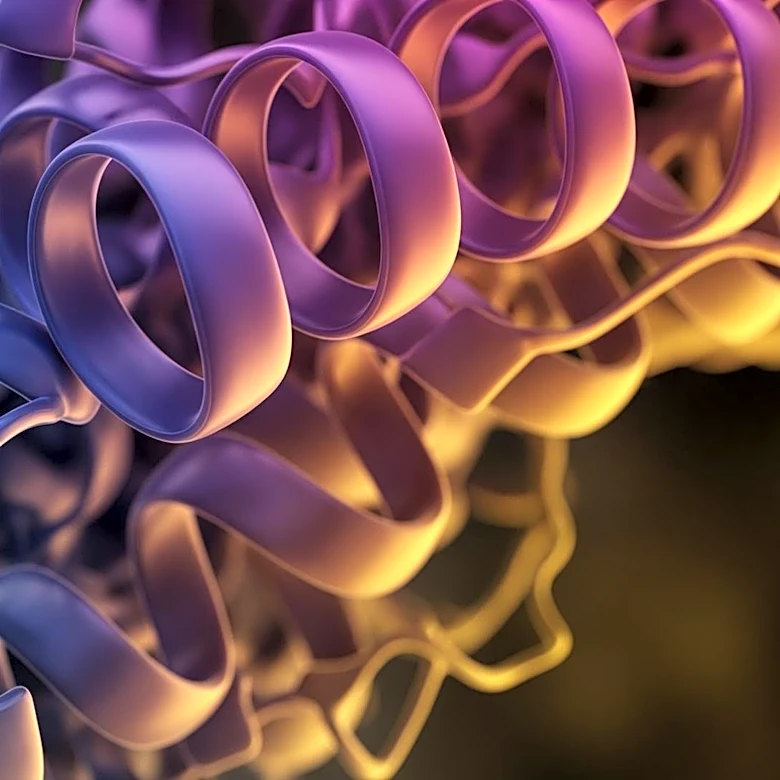
Once synthesized, the polypeptide chain must fold into its functional three-dimensional structure. This folding is guided by the sequence of amino acids and is often assisted by molecular chaperones. Proper folding is crucial for the protein's function, as misfolded proteins can lead to diseases such as Alzheimer's and Parkinson's.
Proteins may also undergo post-translational modifications, such as phosphorylation or glycosylation, which can alter their activity, stability, and cellular location. These modifications expand the functional diversity of proteins and allow cells to adapt to changing conditions.
Protein synthesis is a highly regulated process that ensures the accurate production of proteins necessary for cellular function. By understanding this process, researchers can gain insights into how cells operate and how disruptions in protein synthesis can lead to disease.