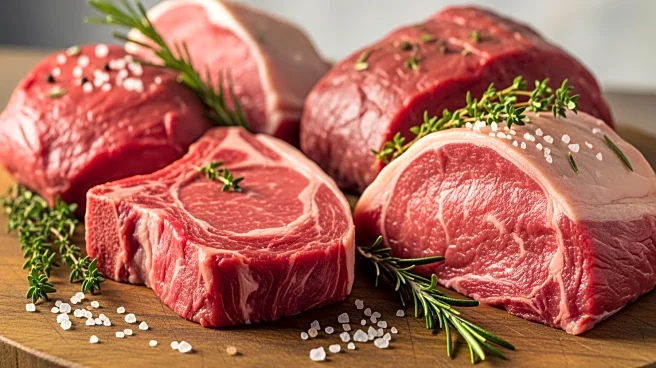

Red meat is a common dietary component for many people around the world, valued for its rich flavor and nutritional benefits. Despite the health concerns associated with its consumption, red meat provides
essential nutrients that are important for maintaining a balanced diet. This article explores the nutritional profile of red meat, highlighting its benefits and the role it plays in human nutrition.
Essential Nutrients in Red Meat
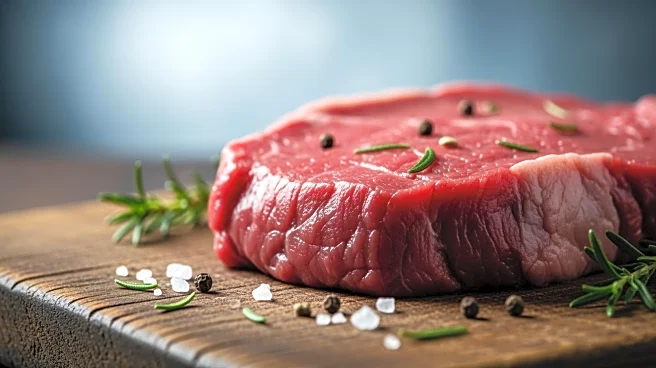
Red meat is a significant source of high-quality protein, which is crucial for building and repairing tissues in the body. It contains all the essential amino acids needed for various bodily functions, making it a complete protein source. In addition to protein, red meat is rich in several important vitamins and minerals.
One of the key nutrients found in red meat is iron, particularly heme iron, which is more easily absorbed by the body compared to non-heme iron found in plant sources. Iron is vital for the production of hemoglobin, a protein in red blood cells that carries oxygen throughout the body. Red meat also provides zinc, which supports immune function, and B vitamins, including B12, which is essential for nerve function and the production of DNA.
Health Benefits of Red Meat
The nutrients found in red meat contribute to various health benefits. For instance, the high protein content supports muscle growth and maintenance, which is particularly important for athletes and individuals engaged in regular physical activity. The iron in red meat helps prevent iron-deficiency anemia, a condition characterized by fatigue and weakness due to insufficient oxygen transport in the blood.
Zinc, another mineral abundant in red meat, plays a crucial role in immune function, wound healing, and DNA synthesis. The B vitamins, especially B12, are essential for maintaining healthy nerve cells and producing energy from food. These nutrients collectively support overall health and well-being.
Balancing Red Meat in the Diet
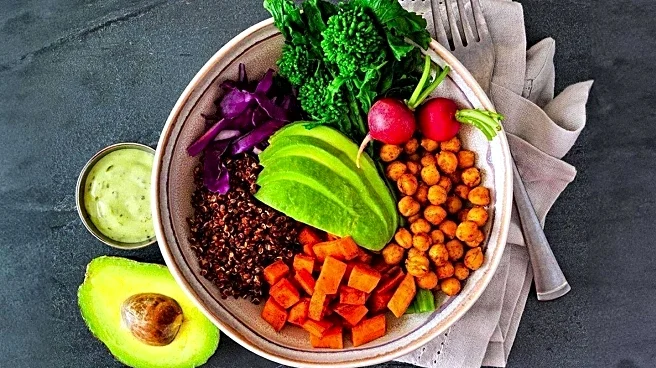
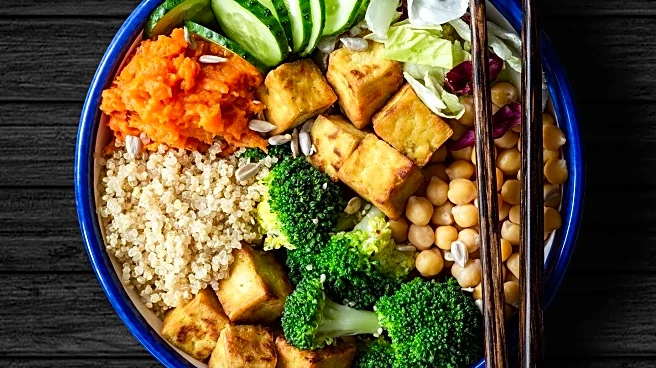
While red meat offers numerous nutritional benefits, it is important to consume it in moderation. The potential health risks associated with excessive red meat consumption, such as increased risks of cancer and cardiovascular disease, highlight the need for a balanced diet. Incorporating a variety of protein sources, including poultry, fish, legumes, and plant-based proteins, can help achieve a well-rounded diet.
In conclusion, red meat is a valuable source of essential nutrients that support various bodily functions. By consuming it in moderation and as part of a balanced diet, individuals can enjoy its nutritional benefits while minimizing potential health risks.