





The Intermediate-Range Nuclear Forces Treaty (INF Treaty) was a landmark agreement between the United States and the Soviet Union, aimed at reducing the threat of nuclear war in Europe. Signed in 1987, the treaty marked a significant step in arms control, banning all land-based missiles with ranges between 500 and 5,500 kilometers. However, the treaty's journey from inception to termination in 2019 was fraught with challenges and geopolitical shifts
that ultimately led to its demise.
The Genesis of the INF Treaty
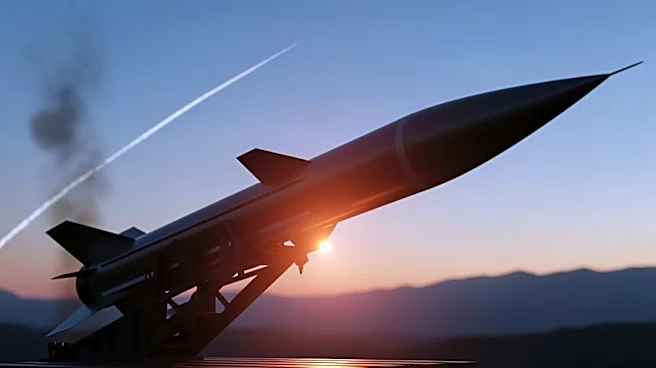
The origins of the INF Treaty can be traced back to the late 1970s and early 1980s, a period marked by heightened tensions between the United States and the Soviet Union. The deployment of the Soviet SS-20 missiles, which were capable of reaching Western Europe, prompted concerns among NATO allies and led to calls for a Western response. In 1979, NATO's Double-Track Decision proposed the deployment of U.S. Pershing II and cruise missiles in Europe unless the Soviet Union agreed to arms control negotiations.
Formal negotiations began in 1981, with the United States proposing the "Zero Option," which called for the elimination of all intermediate-range missiles in Europe. Although initially rejected by the Soviet Union, the proposal set the stage for further discussions. The negotiations were complex, involving multiple rounds of talks and significant diplomatic efforts from both sides. The breakthrough came in 1987 when U.S. President Ronald Reagan and Soviet General Secretary Mikhail Gorbachev agreed to eliminate an entire class of nuclear weapons.
Implementation and Impact
The INF Treaty was signed on December 8, 1987, and ratified by the U.S. Senate in 1988. It required the destruction of all ground-launched ballistic and cruise missiles with ranges between 500 and 5,500 kilometers, along with their launchers. By 1991, a total of 2,692 missiles had been destroyed, with the United States eliminating 846 and the Soviet Union 1,846. The treaty also established a rigorous verification regime, including on-site inspections, to ensure compliance.
The treaty's impact was profound, significantly reducing the nuclear threat in Europe and paving the way for further arms control agreements. It was hailed as a major diplomatic achievement and a testament to the power of negotiation in reducing global tensions. The INF Treaty also set a precedent for future arms control efforts, demonstrating that even the most entrenched adversaries could find common ground.
Challenges and Termination
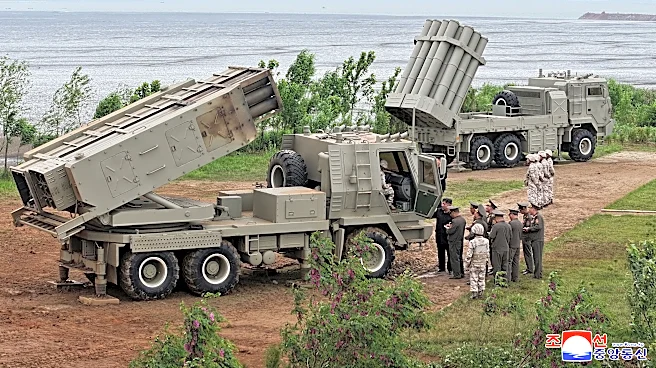
Despite its initial success, the INF Treaty faced numerous challenges over the years. Allegations of non-compliance surfaced, with the United States accusing Russia of developing and deploying a missile system that violated the treaty's terms. Russia, in turn, denied these allegations and accused the United States of violating the treaty through its missile defense systems.
The geopolitical landscape also shifted, with the rise of China as a major military power. The treaty did not include China, which was free to develop intermediate-range missiles, leading to concerns about an imbalance in military capabilities. In 2018, the Trump administration announced its intention to withdraw from the treaty, citing Russian violations and the need to counter China's growing missile arsenal.
The United States formally suspended its obligations under the treaty in February 2019, and the withdrawal was completed in August of the same year. The termination of the INF Treaty marked the end of an era in arms control and raised concerns about a new arms race. The treaty's demise underscored the challenges of maintaining international agreements in a rapidly changing world.
The story of the INF Treaty is a reminder of the complexities of international diplomacy and the fragile nature of arms control agreements. While the treaty succeeded in reducing nuclear arsenals and easing tensions during the Cold War, its eventual collapse highlights the ongoing challenges in achieving lasting peace and security.