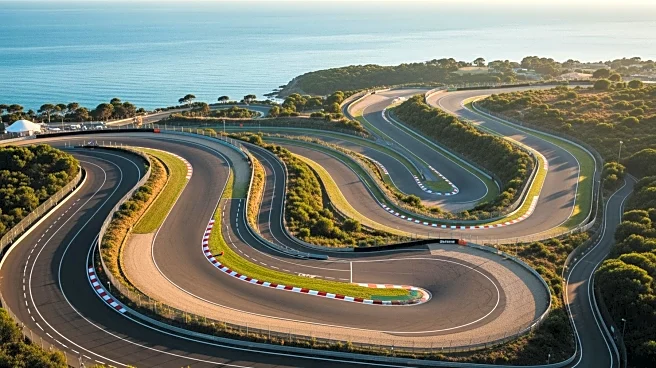



The Circuit de Monaco, a renowned street circuit in Monte Carlo, has a rich history that dates back to its inception in 1929. Known for hosting the prestigious Monaco Grand Prix, this circuit has undergone numerous changes and developments over the years. From its early days to its current status as a Formula One staple, the Circuit de Monaco has evolved in both design and significance, reflecting the dynamic nature of motorsport.
Early Beginnings and Initial Design
The Circuit de Monaco
was first opened on April 14, 1929, marking the beginning of its storied history. The idea of creating a racing circuit in the streets of Monaco was proposed by Antony Noghès, inspired by urban races in the United States. The inaugural race saw sixteen drivers compete, with British driver William Grover-Williams emerging victorious. The original circuit was 3.180 km long and featured a challenging layout that required cars with short chassis for better maneuverability.
In its early years, the circuit was characterized by its narrow streets and sharp turns, demanding high levels of concentration and skill from drivers. The race quickly gained popularity, becoming a key event in the motorsport calendar. Despite interruptions during World War II, the Monaco Grand Prix resumed in 1948, solidifying its place in racing history.
Transformations and Modernization
Over the decades, the Circuit de Monaco has seen several modifications to enhance safety and accommodate evolving racing technologies. In 1952, changes to the Sainte Dévote corner reduced the circuit length to 3.145 km. Further adjustments in 1972 relocated the pits and added a new section along the port, increasing the circuit length to 3.278 km. These changes were driven by the need to improve safety and provide better facilities for teams and drivers.
The circuit continued to evolve, with significant updates in 1986 and 1997. The introduction of new chicanes and the redesign of the Piscine section reflected the ongoing efforts to adapt the circuit to modern racing standards. By 2003, further expansions allowed for more space and improved infrastructure, ensuring the circuit remained a premier venue for Formula One.
The Circuit Today
Today, the Circuit de Monaco is a 3.337 km track with 19 turns, known for its challenging layout and iconic landmarks such as the Casino and the Tunnel. The circuit's unique characteristics make it one of the most demanding tracks in Formula One, where qualifying positions are crucial due to the difficulty of overtaking.
Despite its challenges, the Monaco Grand Prix remains a highlight of the racing season, attracting drivers and fans from around the world. The circuit's evolution over the years showcases the blend of tradition and innovation that defines the spirit of motorsport, making it a symbol of endurance and excellence in racing history.