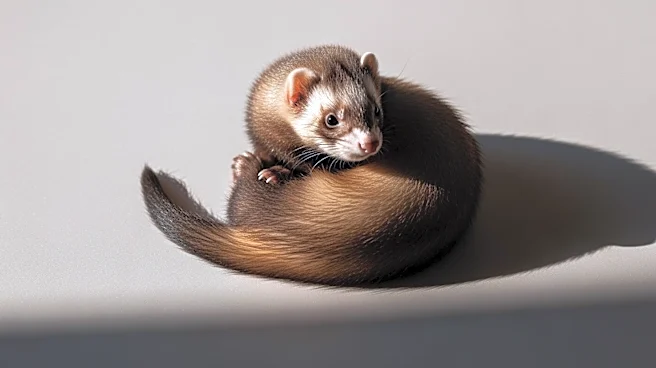








Ferrets are fascinating creatures with unique behavioral traits and biological characteristics. As members of the Mustelidae family, they share similarities with other mustelids like weasels and otters. This article explores the distinctive behavior and biology of ferrets, providing insights into what makes them such intriguing animals.
Physical Characteristics
Ferrets have a typical mustelid body shape, characterized by their long and slender build. They average about 50
cm in length, including a 13 cm tail, and weigh between 0.7 and 2.0 kg. Their fur can vary in color, including black, brown, white, or a mix of these colors. Ferrets are sexually dimorphic, with males being significantly larger than females.
The species is known for its playful and curious nature. Ferrets are crepuscular, meaning they are most active during dawn and dusk. They spend a significant portion of their day, about 14 to 18 hours, sleeping. When awake, they are energetic and require regular exercise and playtime to satisfy their curiosity and prevent boredom.
Behavioral Traits
Ferrets are social animals and can live happily in groups, unlike their solitary polecat ancestors. They are territorial and enjoy burrowing and sleeping in enclosed spaces. Ferrets communicate through various sounds and behaviors. When excited, they perform a "weasel war dance," a series of frenzied hops and leaps that invite play. This dance is often accompanied by a soft clucking noise known as "dooking."
Ferrets also have scent glands near their anus, which they use for scent marking. These glands can release secretions when the ferret is startled or scared, although the smell is less potent than that of a skunk and dissipates quickly. In the U.S., most pet ferrets are sold descented, with these glands removed, although this practice is considered unnecessary in many other parts of the world.
Diet and Health
As obligate carnivores, ferrets require a diet rich in meat. Their natural diet consists of whole small prey, including meat, organs, bones, and fur. Ferrets have a short digestive system and a fast metabolism, necessitating frequent meals. Prepared dry foods high in meat content are suitable, although some owners prefer feeding them pre-killed or live prey to mimic their natural diet.
Ferrets are prone to certain health issues, including adrenal disease, insulinoma, and lymphoma. These conditions require careful monitoring and veterinary care. Additionally, ferrets with certain coat patterns may experience congenital deafness, similar to Waardenburg syndrome in humans. Understanding these health concerns is crucial for providing proper care to ferrets.