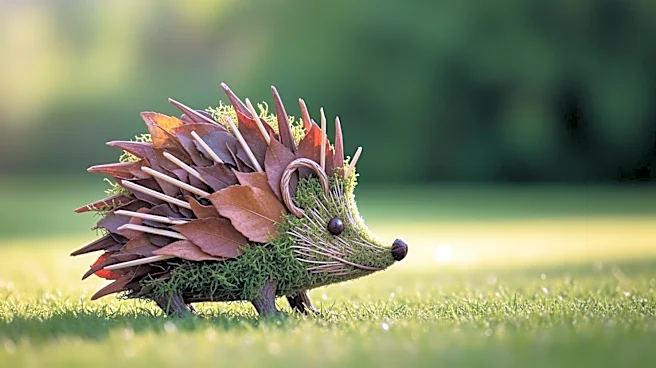






The European hedgehog, also known as the West European hedgehog, is a beloved creature in many European gardens. Known for its endearing appearance and practical benefits, this small mammal plays a significant role in controlling garden pests. Despite its popularity, the European hedgehog faces challenges, particularly in Great Britain, where its population is declining. This article delves into the hedgehog's role in gardens, its dietary habits,
and the conservation efforts needed to protect this charming species.
Hedgehogs in the Garden
European hedgehogs are a common sight in gardens across Europe. Their presence is often welcomed by gardeners due to their diet, which includes a variety of garden pests. Hedgehogs feed on insects, snails, and other small animals that can damage plants. This natural pest control makes them valuable allies for those looking to maintain healthy gardens without the use of chemicals.
The hedgehog's ability to adapt to different environments also contributes to its success in gardens. They can thrive in various habitats, from woodlands to urban areas, as long as there is sufficient food and shelter. Gardens provide an ideal environment with plenty of food sources and places to nest, such as under hedges or in piles of leaves.
Dietary Habits
The European hedgehog is primarily an insectivore, with a diet that includes earthworms, beetles, and caterpillars. They are also known to eat slugs and snails, which are common garden pests. Occasionally, hedgehogs will consume small vertebrates, such as lizards and frogs, and even the eggs of ground-nesting birds.
While plant matter is not a significant part of their diet, hedgehogs may eat fallen fruits. This diverse diet helps them thrive in various environments, including gardens. Their feeding habits not only help control pest populations but also contribute to the ecological balance within their habitats.
Conservation Concerns
Despite their benefits to gardens, European hedgehogs face several threats. In Great Britain, their population is declining, leading to their classification as a Red Listed species, indicating a risk of local extinction. Factors contributing to this decline include habitat loss, road traffic, and predation by other animals, such as badgers.
Conservation efforts are crucial to protect the European hedgehog. Initiatives include creating hedgehog-friendly gardens, reducing pesticide use, and raising awareness about the species' plight. By supporting these efforts, gardeners and nature enthusiasts can help ensure the survival of this valuable garden guardian.