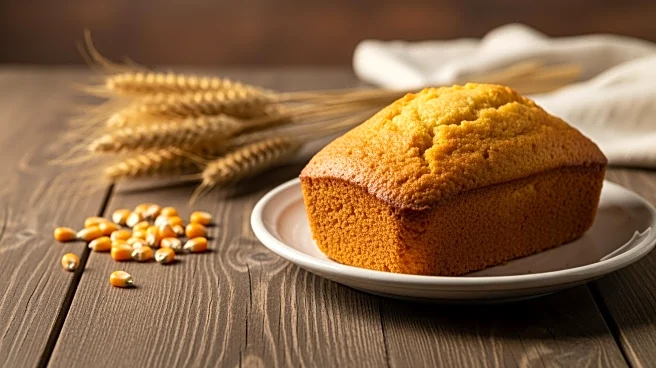

Cornbread is more than just a staple food in Southern U.S. cuisine; it is a symbol of cultural heritage and community. With its roots in Native American cooking, cornbread has evolved into a beloved dish
that represents the ingenuity and adaptability of Southern cooks. This article delves into the cultural significance of cornbread, examining its role in Southern traditions and its enduring popularity.
Cornbread's Native American Origins
Cornbread's history can be traced back to Native American cuisine, where corn was a fundamental ingredient. Native American tribes such as the Hopi, Cherokee, and Seneca used cornmeal to create various dishes, including dumplings and pancakes. These early forms of cornbread were often enriched with local ingredients like chestnuts, sunflower seeds, and berries, showcasing the resourcefulness of Native American cooks.
As European settlers arrived in the Americas, they adopted these corn-based recipes, integrating them into their own culinary traditions. Cornbread became a staple in the Southern colonies, where wheat flour was scarce and expensive. The adaptability of cornbread allowed it to become a versatile dish, enjoyed by people of all backgrounds.
Cornbread in Southern Traditions
In the Southern United States, cornbread is more than just a side dish; it is a cherished part of the region's culinary identity. It is commonly served with barbecue, chili con carne, and pinto beans, making it a staple at family gatherings and community events. Cornbread's simplicity and affordability have made it a popular choice for generations, often served with butter or molasses.
Cornbread also plays a significant role in holiday traditions, particularly during Thanksgiving. Cornbread stuffing, made from crumbled cornbread, is a classic accompaniment to roasted turkey. This dish highlights the importance of cornbread in Southern holiday meals, where it serves as a reminder of the region's agricultural roots and communal spirit.
Modern Variations and Debates
Today, cornbread continues to evolve, with modern recipes incorporating ingredients like sugar and wheat flour. These additions have sparked debates among cornbread enthusiasts, with some preferring the traditional savory version and others favoring a sweeter, cake-like texture. The choice between white and yellow cornmeal further fuels these discussions, reflecting regional preferences and personal tastes.
Despite these variations, cornbread remains a beloved dish that unites people across the South. Its enduring popularity is a testament to its cultural significance and the way it brings people together around the table. Whether served at a family dinner or a community potluck, cornbread continues to be a symbol of Southern hospitality and tradition.