
The muscle-up is a challenging calisthenics exercise that combines a pull-up and a dip into one fluid motion. It is considered an intermediate strength training exercise and is popular among fitness enthusiasts
who practice calisthenics. This article will explore the technique and form required to perform a muscle-up, focusing on the key elements that make this exercise both demanding and rewarding.
Understanding the Muscle-Up Technique
The muscle-up begins with the arms extended above the head, gripping a bar or gymnastic rings in an overhand position. This initial setup is crucial as it sets the stage for the explosive movement that follows. The exercise requires the practitioner to pull themselves up with greater speed than a regular pull-up, transitioning smoothly into a dip. This transition is where many beginners struggle, as it demands both strength and coordination.
As the bar approaches the upper chest, the wrists must be flexed swiftly to bring the forearms above the bar. This movement is essential for transitioning from the pull-up phase to the dip phase. The body is then leaned forward, and the elbows are straightened by activating the triceps. The exercise is complete when the bar is at the level of the waist and the arms are fully straightened. Mastering this technique requires practice and a keen understanding of body mechanics.
The Role of Grip and Wrist Position
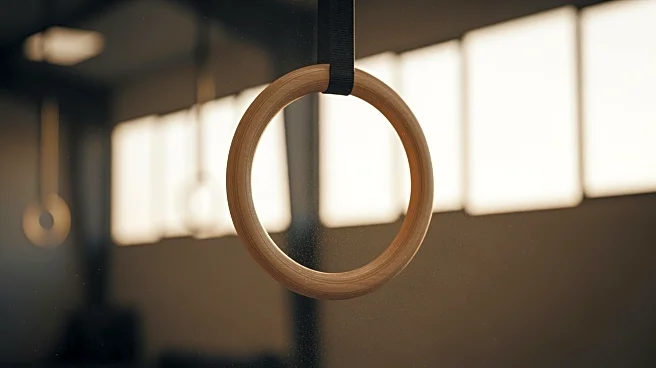
Grip and wrist position play a significant role in the execution of a muscle-up. A closed pull-up grip, where the thumb is on the opposite side of the bar from the rest of the fingers, is commonly used. When performing muscle-ups on rings, an advanced grip known as the "false grip" is necessary. This grip allows for a smoother transition from the pull-up to the dip, as it positions the wrists in a way that facilitates the movement.
The false grip is particularly challenging to master, as it requires significant wrist strength and flexibility. Practitioners often spend considerable time developing this grip before attempting a full muscle-up. The importance of grip and wrist position cannot be overstated, as they are critical to the successful execution of the exercise.
Building Strength for Muscle-Ups
The muscle-up targets multiple muscle groups, including the back, shoulders, arms, and core. The latissimus dorsi and biceps provide the primary pulling power, while the triceps are engaged during the dip phase. The core muscles are also heavily involved, as they stabilize the body throughout the movement.
To build the strength necessary for muscle-ups, practitioners often start with assisted variations. These may include using a kip, where the legs swing to provide momentum, or practicing strict pull-ups and dips separately. Over time, as strength and technique improve, athletes can progress to performing muscle-ups without assistance, achieving a strict variation that relies solely on muscle contraction.
In conclusion, mastering the muscle-up requires a combination of strength, technique, and practice. By focusing on the key elements of grip, wrist position, and muscle engagement, practitioners can work towards achieving this impressive calisthenics feat.