
Sequoia National Park, established in 1890, is a shining example of successful conservation efforts in the United States. Known for its giant sequoia trees and diverse ecosystems, the park has faced numerous
environmental challenges over the years. This article examines the park's conservation efforts and the ongoing challenges it faces in preserving its natural beauty.
Protecting the Giant Sequoias
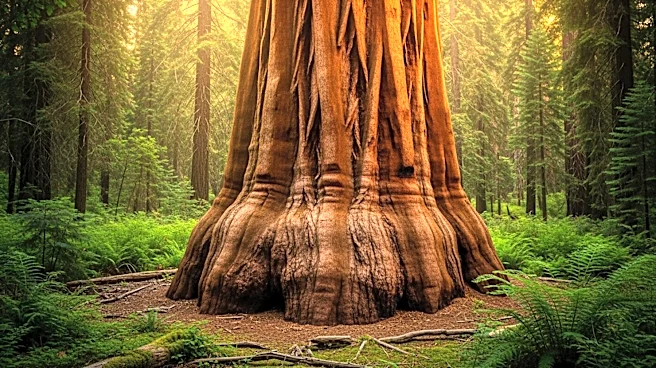
The primary reason for the establishment of Sequoia National Park was to protect the giant sequoia trees from logging. These ancient trees, some of which are over 2,000 years old, were at risk of being cut down for timber. The park's creation marked a significant step in the conservation movement, setting a precedent for the protection of natural landscapes in the United States.
Today, the park continues to prioritize the protection of its giant sequoias. Efforts include monitoring the health of the trees, managing visitor impact, and conducting controlled burns to reduce the risk of forest fires. These measures help ensure that the sequoias remain a symbol of natural wonder for future generations.
Addressing Environmental Challenges
Sequoia National Park faces several environmental challenges, including climate change, air pollution, and the threat of wildfires. Climate change has led to shifts in weather patterns, affecting the park's ecosystems and the species that inhabit them. The park's management is actively working to mitigate these impacts through research and adaptive management strategies.
Air pollution from outside the park also poses a threat to the health of the sequoias and other plant species. The park collaborates with regional and national agencies to address air quality issues and reduce pollution levels. These efforts are crucial in maintaining the park's ecological integrity and ensuring the health of its diverse ecosystems.
The Role of the National Park Service
The National Park Service plays a vital role in the conservation and management of Sequoia National Park. By overseeing the park's operations, the service ensures that its natural resources are protected and preserved. This includes maintaining visitor facilities, conducting scientific research, and implementing conservation programs.
The park's management also involves engaging with the public to raise awareness about conservation issues and promote responsible recreation. Through educational programs and outreach efforts, the park encourages visitors to appreciate and protect the natural world. Sequoia National Park stands as a testament to the power of conservation and the importance of preserving our natural heritage.