




The Maillard reaction is a fascinating chemical process that plays a crucial role in the culinary world. Named after French chemist Louis Camille Maillard, this reaction occurs between amino acids and reducing sugars, resulting in the browning and flavor development of various foods. From seared steaks to toasted marshmallows, the Maillard reaction is responsible for the appetizing aromas and tastes that make cooked foods so appealing.
Chemical Mechanism
The Maillard
reaction begins when the carbonyl group of a sugar reacts with the amino group of an amino acid. This interaction produces a complex mixture of molecules that are responsible for a wide range of flavors and aromas. The process is accelerated in an alkaline environment, which enhances the nucleophilicity of the amino groups. As the reaction progresses, it can produce hundreds of different flavor compounds, depending on the food's chemical constituents, cooking temperature, and time.
The reaction typically occurs at temperatures between 140 to 165 °C (280 to 330 °F), making it a form of non-enzymatic browning. At higher temperatures, caramelization and pyrolysis can also occur, leading to the development of acrid flavors. The Maillard reaction is a cornerstone of the flavoring industry, with many recipes designed to ensure its occurrence.
Culinary Applications
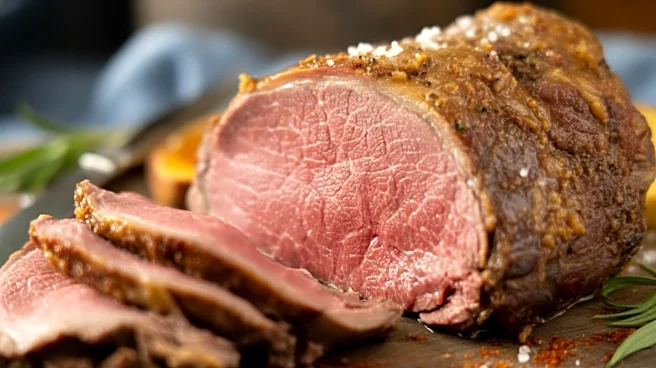
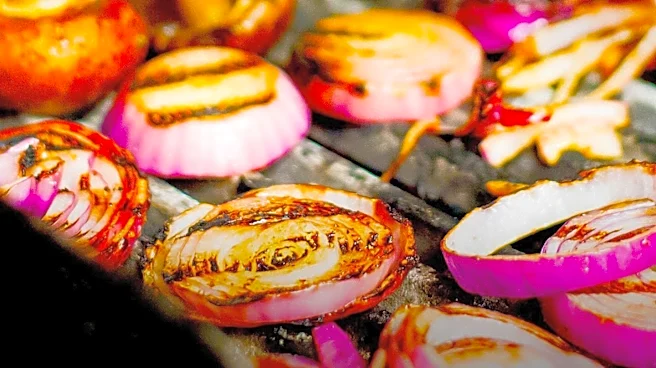
The Maillard reaction is responsible for the browning of meats when seared or grilled, contributing to their rich flavors. It also plays a role in the umami taste of fried onions and the complex flavors of roasted coffee. Baked goods owe their darkened crusts to this reaction, while French fries and crisps gain their golden-brown color from it. The Maillard reaction is also involved in the production of malt whiskey and beer, as well as the flavor and color of dried and condensed milk, dulce de leche, black garlic, chocolate, and roasted peanuts.
Flavorists have harnessed the Maillard reaction to create artificial flavors, particularly meat-like ones. The reaction's ability to produce a wide array of flavor compounds makes it invaluable in food preparation and the flavoring industry.
Health Considerations
While the Maillard reaction is essential for flavor development, it can also lead to the formation of acrylamide, a probable carcinogen. Acrylamide forms at high temperatures, especially in carbohydrate-rich foods like French fries. To minimize its formation, cooking at lower temperatures or using additives like asparaginase can be effective.
Despite its potential health risks, the Maillard reaction remains a vital process in cooking, contributing to the sensory qualities that make food enjoyable. Understanding this reaction allows chefs and food scientists to optimize flavor while managing health concerns.