



Hand mixers have become a staple in modern kitchens, offering convenience and efficiency in food preparation. The journey from manual to electric hand mixers marks a significant evolution in kitchen appliances, reflecting advancements in technology and changing consumer needs. This article delves into the historical development of hand mixers, highlighting key milestones and innovations that have shaped their evolution.
Early Beginnings
The concept of mixing ingredients
dates back centuries, with early cooks relying on manual tools to blend and beat food. These rudimentary devices required significant physical effort and time, making food preparation a labor-intensive task. As the demand for more efficient kitchen tools grew, inventors began exploring ways to mechanize the mixing process.
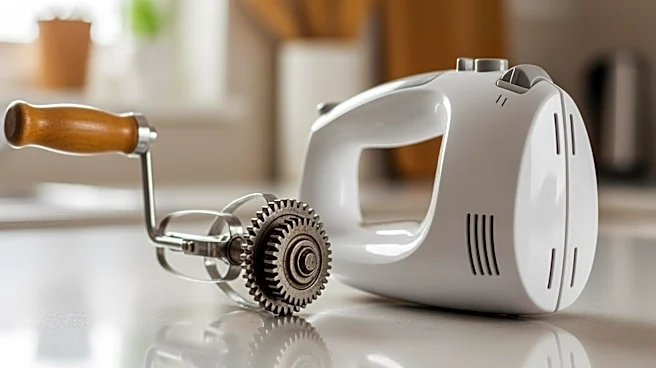
In the late 19th and early 20th centuries, various mechanical devices emerged, designed to make whisking and mixing more efficient. These early inventions, often referred to as egg beaters or rotary mixers, laid the groundwork for the development of more advanced mixing appliances. Despite their mechanical nature, these devices still required manual operation, limiting their efficiency.
The Advent of Electric Mixers
The introduction of electric mixers marked a turning point in the evolution of kitchen appliances. In 1928, Sunbeam Products, an American company known for its innovative home appliances, introduced the Mixmaster mixer. This groundbreaking invention featured two detachable beaters with interlocking blades, powered by an electric motor. The Mixmaster quickly became a popular choice among consumers, offering a level of convenience and efficiency previously unattainable with manual mixers.
Sunbeam's Mixmaster mixer was not only a technological marvel but also a versatile kitchen tool. It came with various attachments, including a juice extractor, drink mixer, and meat grinder, allowing users to perform multiple tasks with a single appliance. The mixer could also be detached from its base stand, transforming it into a hand mixer for more flexible use.
Modern Innovations
The evolution of hand mixers continued throughout the 20th century, with manufacturers introducing new features and designs to meet changing consumer demands. Lightweight motors and ergonomic designs became standard, making hand mixers more user-friendly and efficient. Today, hand mixers are equipped with multiple speed settings, allowing users to adjust the mixing intensity based on the task at hand.
The transition from manual to electric hand mixers reflects broader trends in kitchen appliance development, emphasizing convenience, versatility, and efficiency. As technology continues to advance, hand mixers are likely to evolve further, incorporating smart features and sustainable materials to meet the needs of modern consumers.