





Activated carbon, also known as activated charcoal, is a form of carbon that is highly valued for its adsorptive properties. This article explores the production process of activated carbon and the unique characteristics that make it so effective in various applications.
Production Process
The production of activated carbon involves several steps, starting with the selection of carbon-rich source materials. Common sources include coconut husks, wood, coal, and petroleum
pitch. These materials are first converted into charcoal through a process called carbonization, which involves heating them in the absence of oxygen to remove volatile components.
Once carbonized, the charcoal undergoes activation to enhance its porosity and surface area. This can be achieved through physical or chemical methods. Physical activation involves treating the charcoal with steam or carbon dioxide at high temperatures, while chemical activation uses agents like potassium hydroxide or phosphoric acid. Both methods create a network of pores, significantly increasing the surface area available for adsorption.
Unique Characteristics
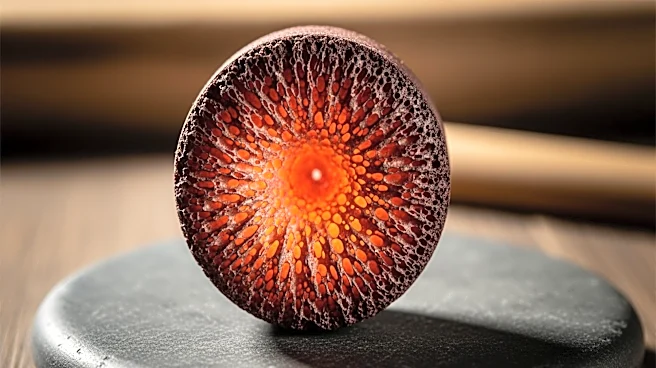
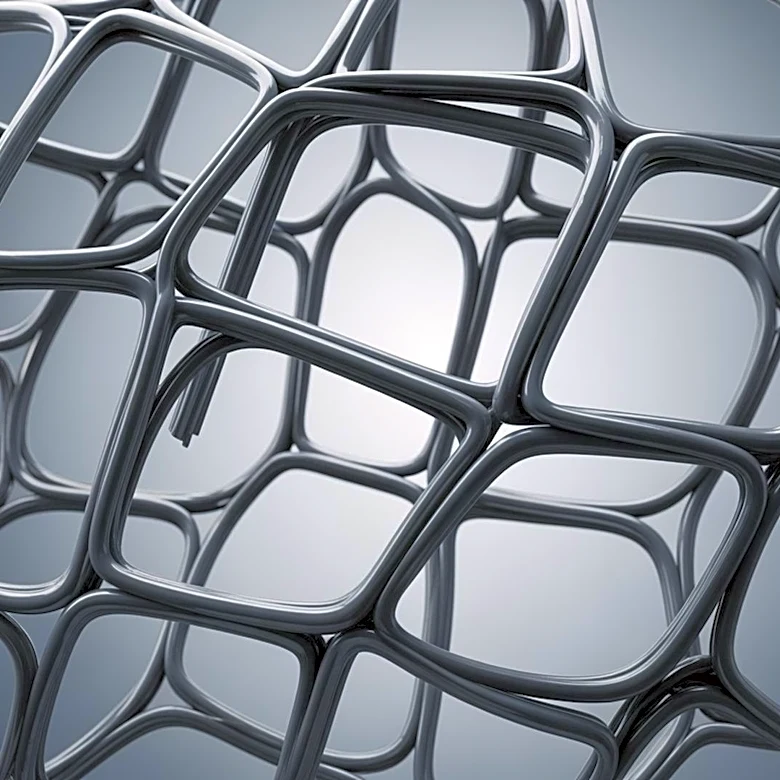
Activated carbon is renowned for its exceptionally high surface area, which can exceed 3,000 square meters per gram. This vast surface area is due to its porous structure, which resembles a microscopic sponge. The pores provide numerous sites for adsorption, allowing activated carbon to trap a wide range of molecules and impurities.
The effectiveness of activated carbon in adsorption is also influenced by its pore size distribution. Different applications may require specific pore sizes to target particular contaminants. For instance, larger pores are more effective in adsorbing larger molecules, while smaller pores are better suited for smaller molecules.
Applications and Benefits
The unique properties of activated carbon make it suitable for a variety of applications. In water and air purification, its high surface area and porosity enable it to remove contaminants effectively. It is also used in industrial processes to recover valuable metals and control emissions.
In medicine, activated carbon's adsorptive capabilities are harnessed to treat poisonings and overdoses. By binding to toxins in the gastrointestinal tract, it prevents their absorption into the bloodstream, providing a critical intervention in emergency situations.
The production and properties of activated carbon highlight its versatility and effectiveness as an adsorbent material. Its ability to purify, treat, and protect makes it an essential component in addressing environmental, industrial, and medical challenges. As research and development continue, the potential applications of activated carbon are likely to expand, further cementing its role in modern society.