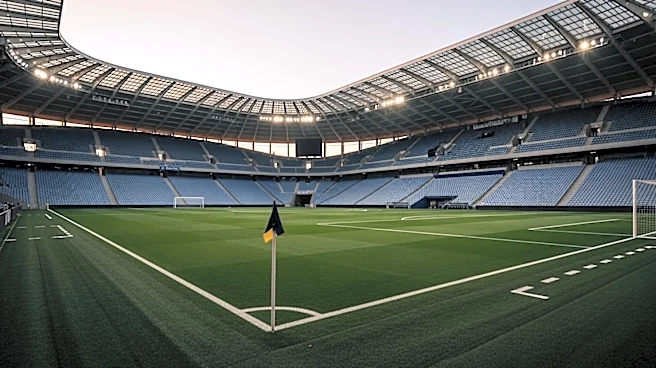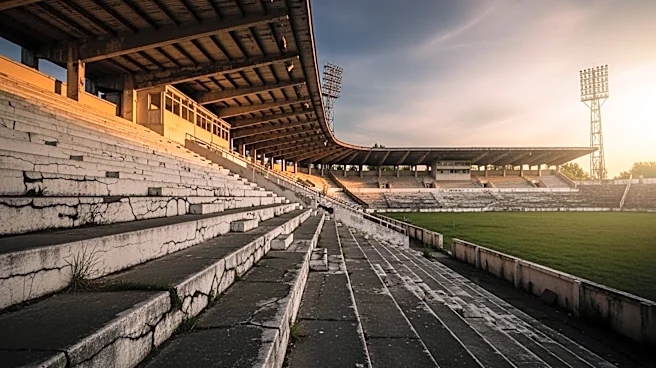





St. Jakob Stadium in Basel, Switzerland, played a pivotal role during the 1954 FIFA World Cup. Built specifically for the event, the stadium hosted several key matches that contributed to the tournament's excitement and historical significance. As a venue, it not only showcased the talents of international teams but also highlighted the importance of infrastructure in global sporting events.
Hosting Group Stage Matches
During the 1954 FIFA World Cup, St. Jakob Stadium was the site
of four group stage matches. These matches were crucial in determining which teams would advance to the knockout stages. The stadium's capacity of 51,500 allowed a large number of spectators to witness the unfolding drama of the World Cup. The group stage matches at St. Jakob Stadium were a testament to the competitive spirit of the tournament, with teams battling for a chance to progress further.
The stadium's design and location in Basel made it an ideal venue for hosting international matches. Its construction in 1953 was a significant investment in Switzerland's sporting infrastructure, ensuring that the country could accommodate the influx of fans and teams from around the world. The group stage matches held at St. Jakob Stadium were a showcase of football talent and a celebration of the sport's global appeal.
Quarter-Final and Semi-Final Matches
St. Jakob Stadium also hosted a quarter-final and a semi-final match during the 1954 World Cup. These matches were among the most anticipated of the tournament, drawing large crowds and intense media attention. The quarter-final match was a critical juncture for the teams involved, as it determined who would move on to the semi-finals and potentially the final.
The semi-final match held at St. Jakob Stadium was a highlight of the tournament, featuring top teams vying for a place in the final. The atmosphere in the stadium was electric, with fans from different countries coming together to support their teams. The semi-final match was a demonstration of the high level of competition and skill present at the World Cup, further solidifying St. Jakob Stadium's role as a key venue in the tournament.
Legacy and Replacement
After the World Cup, St. Jakob Stadium continued to serve as a venue for important football matches, including four European Cup Winners' Cup finals. However, in 1998, the stadium was closed and replaced by St. Jakob-Park. The new stadium was built to accommodate modern requirements and provide an enhanced experience for spectators.
St. Jakob Stadium's legacy lives on through its contribution to the 1954 FIFA World Cup and its role in promoting football in Switzerland. The transition to St. Jakob-Park marked a new era in Swiss football infrastructure, ensuring that Basel remained a central hub for international sporting events.