


Training sleds are not just confined to the gym; they play a significant role in sports training, particularly in disciplines that require explosive power and endurance. This article delves into how training sleds are utilized in sports like bobsleigh and other athletic activities to enhance performance.
Training Sleds in Bobsleigh
In the sport of bobsleigh, training sleds are an integral part of an athlete's preparation. Bobsleigh requires athletes to push a heavy sled at the start
of a race, demanding both strength and speed. Training with sleds allows athletes to simulate this crucial aspect of the sport, helping them develop the necessary power and technique.
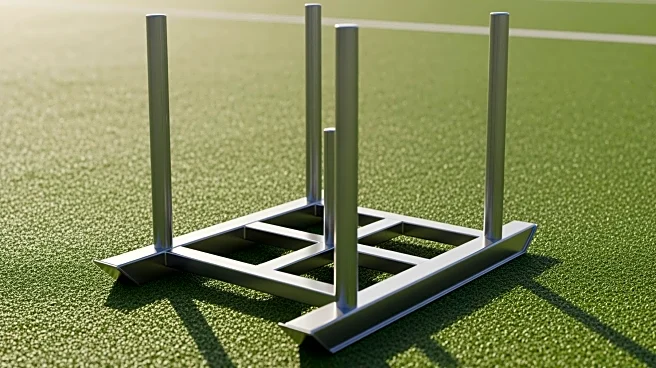
Athletes often use weighted sleds to practice their starts, focusing on explosive power and acceleration. This type of training helps improve the initial push-off, which is critical in gaining speed early in the race. By incorporating sled training into their regimen, bobsleigh athletes can enhance their performance on the track, translating their gym efforts into competitive success.
Sled Training in Other Sports
Beyond bobsleigh, training sleds are used in various sports to improve athletic performance. In football, for example, players use sleds to build the strength and endurance needed to push against opponents. The resistance provided by the sled mimics the physical demands of the game, making it an effective training tool for developing the necessary skills.
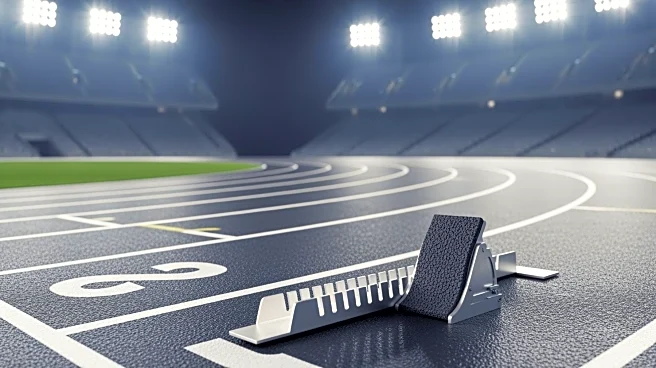
Similarly, sprinters and track athletes use sleds to enhance their speed and power. By pulling a sled, they can increase their stride length and improve their acceleration, both of which are crucial for success in sprinting events. The versatility of sled training allows it to be adapted to the specific needs of different sports, making it a valuable addition to any athlete's training program.
The Benefits of Sled Training in Sports
The use of training sleds in sports offers numerous benefits. It allows athletes to develop sport-specific skills in a controlled environment, focusing on the movements and muscle groups that are most relevant to their discipline. This targeted approach helps athletes improve their performance more effectively than general strength training alone.
Moreover, sled training can be easily adjusted to match the athlete's current fitness level and goals. By varying the weight and distance, coaches can tailor the training to challenge athletes appropriately, ensuring continuous progress and development.
In conclusion, training sleds are a valuable tool in sports training, offering benefits that extend beyond the gym. Their ability to enhance strength, speed, and endurance makes them an essential component of any athlete's preparation, helping them achieve their best performance in competition.