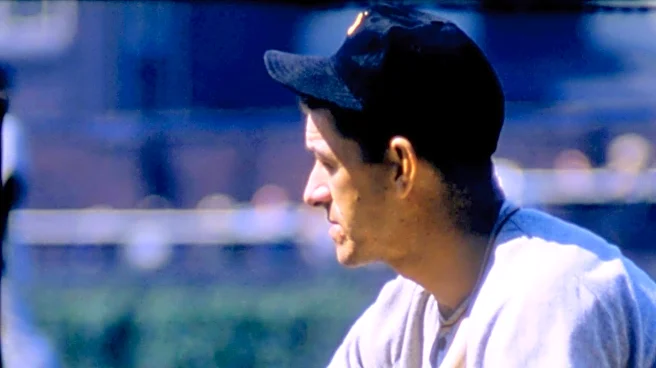



Joe DiMaggio, known as "Joltin' Joe" and "the Yankee Clipper," is celebrated as one of the greatest baseball players of all time. His entire 13-year career was spent with the New York Yankees, where he left an indelible mark on the team and the sport. DiMaggio's tenure with the Yankees was marked by remarkable achievements, including his record-breaking hitting streak and multiple World Series victories.
DiMaggio's Early Years with the Yankees
DiMaggio made his Major League debut on May
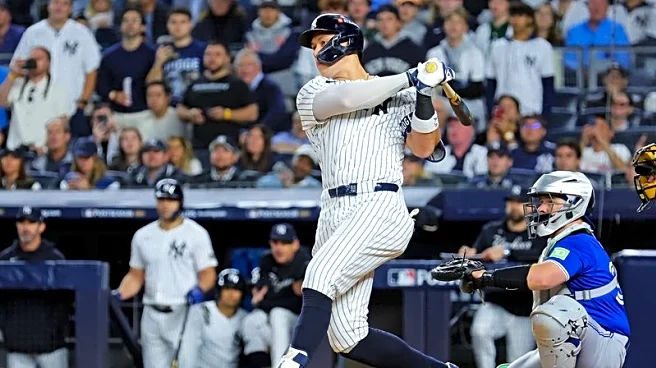
3, 1936, quickly establishing himself as a formidable player. Batting ahead of Lou Gehrig, DiMaggio helped lead the Yankees to four consecutive World Series victories from 1936 to 1939. His rookie season was particularly impressive, as he set a franchise record for rookies by hitting 29 home runs in just 138 games. This record stood for over 80 years until Aaron Judge surpassed it in 2017.
In 1937, DiMaggio continued to build on his success, leading the majors with 46 home runs, 151 runs scored, and 167 runs batted in. His performance earned him second place in the American League MVP voting, narrowly missing out to Charlie Gehringer of the Detroit Tigers. DiMaggio's prowess on the field was further highlighted in 1939 when he won his first batting title and MVP award, contributing to the Yankees' fourth consecutive World Series championship.
Achievements and Challenges
Throughout his career, DiMaggio was a three-time American League MVP and an All-Star in each of his 13 seasons. He played a crucial role in the Yankees' success, helping the team secure ten American League pennants and nine World Series championships. Despite his achievements, DiMaggio faced challenges, including a potentially career-threatening knee injury in 1934. However, he overcame this setback and continued to excel on the field.
DiMaggio's career was not without controversy. In 1947, a proposed trade between the Yankees and the Boston Red Sox involving DiMaggio and Ted Williams was canceled when Yankees GM Larry MacPhail refused to include Yogi Berra. Despite these challenges, DiMaggio remained a key player for the Yankees until his retirement in 1951.
Legacy and Impact
DiMaggio's impact on the Yankees and baseball is undeniable. At the time of his retirement, he ranked fifth in career home runs and sixth in career slugging percentage. He was inducted into the Baseball Hall of Fame in 1955 and was voted the sport's greatest living player in 1969. DiMaggio's legacy continues to be celebrated, with his number 5 retired by the Yankees and his name synonymous with excellence in baseball.