


Anti-aging products are a booming industry, promising to reduce the signs of aging and enhance youthful appearance. However, these products are often surrounded by controversy, with many experts questioning their efficacy and safety. Despite their popularity, the scientific community remains divided on whether these products can truly deliver on their promises.
Questionable Claims and Efficacy
One of the main criticisms of anti-aging products is the lack of scientific evidence supporting
their claims. Many products are marketed with promises of reversing or halting the aging process, yet there is little to no scientific data to back these assertions. The National Institute on Aging has labeled such claims as "health scams," emphasizing that no treatments have been proven to slow or reverse aging.
A 2006 review published in the Cleveland Clinic Journal of Medicine found that commonly used supplements and hormone treatments showed minimal to no effect on extending life. This has led to skepticism among scientists and healthcare professionals, who argue that the anti-aging industry often prioritizes profit over scientific validity.
The Role of Hormone Treatments
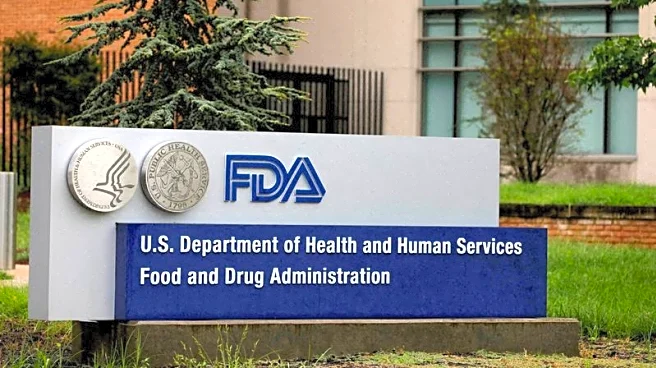
Hormone treatments, particularly human growth hormone (HGH), are central to many anti-aging regimens. While HGH has been shown to improve body composition and cardiovascular health in adults with HGH deficiency, its use in healthy individuals is controversial. The FDA has not approved HGH for anti-aging purposes, and its use in this context is often considered illegal.
Critics argue that the promotion of HGH as an anti-aging remedy is reminiscent of past medical practices that promised rejuvenation through hormone injections. These treatments often lacked scientific backing and posed significant health risks. Despite these concerns, some practitioners continue to prescribe HGH under specific conditions, fueling ongoing debates about its safety and efficacy.
Ethical and Regulatory Concerns
The anti-aging industry faces significant ethical and regulatory challenges. Many products are marketed with misleading claims, and the lack of regulation allows companies to sell products without rigorous testing. This has led to calls for stricter oversight and clearer guidelines to protect consumers from potentially harmful products.
Moreover, the ethical implications of pursuing anti-aging treatments raise questions about societal values and the desire for eternal youth. Critics argue that the focus on anti-aging perpetuates unrealistic beauty standards and diverts attention from more pressing health issues. As the industry continues to grow, these controversies highlight the need for a balanced approach that prioritizes scientific integrity and consumer safety.