



The Truman Doctrine marked a pivotal moment in U.S. foreign policy, setting the stage for America's active involvement in the Cold War. Introduced by President Harry Truman in 1947, this doctrine aimed to contain the spread of communism by providing aid to countries threatened by Soviet influence. The policy was initially focused on Greece and Turkey, but its implications extended far beyond these nations, shaping U.S. actions and alliances throughout
the Cold War era.
Origins and Context
The Truman Doctrine emerged in the aftermath of World War II, a period characterized by a power struggle between the United States and the Soviet Union. As the Soviet Union sought to expand its influence through communist regimes, the United States aimed to promote democracy and counteract Soviet expansion. This ideological clash led to proxy wars and heightened tensions, known collectively as the Cold War. Truman's policy was a direct response to these developments, as he sought to support democracies against communist and authoritarian governments.
The immediate catalyst for the Truman Doctrine was the situation in Greece and Turkey. Both countries faced communist uprisings and civil wars, threatening their stability and alignment with the West. The British government, previously providing aid to these nations, was no longer able to sustain its support due to financial constraints. Recognizing the strategic importance of Greece and Turkey, Truman introduced the doctrine to ensure these countries remained free from Soviet control.
Implementation and Impact
The Greek and Turkish Assistance Act of 1947 was the first major foreign policy action under the Truman Doctrine. Enacted into law on May 22, 1947, this bill aimed to provide financial, military, diplomatic, and humanitarian aid to Greece and Turkey. The provisions included significant financial allocations, military support, and increased U.S. influence in these countries. This act set a precedent for future U.S. foreign policy initiatives aimed at containing communism.
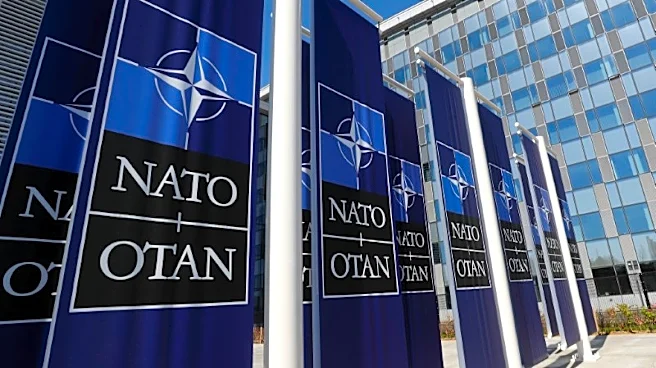
The Truman Doctrine had a profound impact on U.S. foreign policy, establishing a bipartisan consensus focused on containment and deterrence. It marked a shift from isolationism to active engagement in global affairs, as the United States committed to supporting free peoples resisting subjugation by armed minorities or outside pressures. This policy laid the groundwork for subsequent doctrines and strategies, including the Marshall Plan and NATO, further solidifying U.S. leadership in the Western alliance.
Legacy and Criticism
While the Truman Doctrine was largely successful in achieving its immediate goals, it also faced criticism and challenges. Some argued that the policy contributed to the militarization of U.S. foreign policy and increased tensions with the Soviet Union. Others questioned the effectiveness of direct aid versus multilateral approaches, such as involving the United Nations. Despite these debates, the Truman Doctrine remains a defining moment in U.S. history, symbolizing America's commitment to defending democracy and countering communist expansion.
In conclusion, the Truman Doctrine was a transformative policy that reshaped U.S. foreign relations during the Cold War. By providing aid to Greece and Turkey, it set a precedent for American involvement in global affairs and established the framework for future strategies aimed at containing communism. Its legacy continues to influence U.S. foreign policy decisions today.