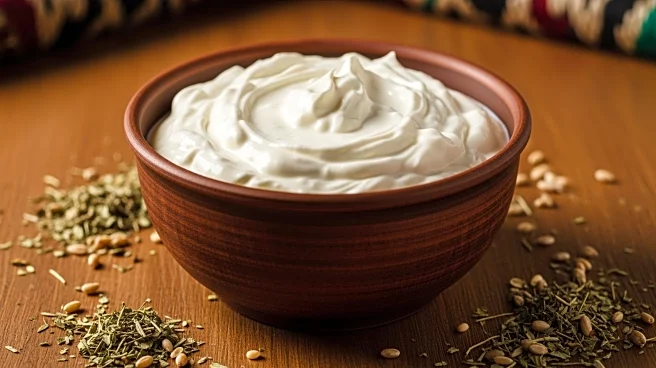

Qatiq, a fermented milk product, is a cornerstone of culinary traditions in Turkic countries. Known for its thick consistency, Qatiq is similar to yogurt but offers a unique texture and flavor profile.
This article explores the role of Qatiq in the culinary landscape of these regions, highlighting its uses and cultural importance.
The Versatility of Qatiq in Cooking
Qatiq's thick and creamy texture makes it a versatile ingredient in many traditional dishes. In Uzbekistan, it is a key component in making chalop soup, a dish that combines the rich flavors of Qatiq with other ingredients to create a hearty meal. The ability of Qatiq to enhance the taste and texture of soups is one of the reasons it is so highly valued in Turkic cuisine.
Beyond soups, Qatiq can be transformed into suzma by straining it in a canvas bag. Suzma is a thicker version of Qatiq that can be dried and rolled into small balls known as kurut. These are often used as snacks or added to dishes for an extra burst of flavor. The versatility of Qatiq in its various forms showcases its importance in the culinary traditions of the region.
Cultural Significance of Qatiq
Qatiq is more than just a food item; it is a cultural symbol in many Turkic countries. Its preparation and consumption are deeply rooted in tradition, with recipes and methods passed down through generations. The process of making Qatiq is often a communal activity, bringing families and communities together.
In addition to its culinary uses, Qatiq holds a place in cultural rituals and celebrations. It is often served during special occasions and gatherings, symbolizing hospitality and togetherness. The cultural significance of Qatiq extends beyond its taste, representing a connection to heritage and tradition.
Modern Adaptations and Preservation
While traditional methods of making Qatiq are still practiced, modern adaptations have emerged to meet the demands of contemporary life. Despite these changes, the essence of Qatiq remains the same, preserving its cultural and culinary significance.
Efforts to preserve traditional foods like Qatiq are gaining momentum as people seek to maintain their cultural heritage. By embracing both traditional and modern methods, Qatiq continues to be a beloved staple in Turkic cuisine, bridging the gap between past and present.
Qatiq's enduring popularity is a testament to its versatility and cultural importance. As a culinary staple, it continues to play a vital role in the food traditions of Turkic countries, offering a taste of history and a connection to cultural roots.